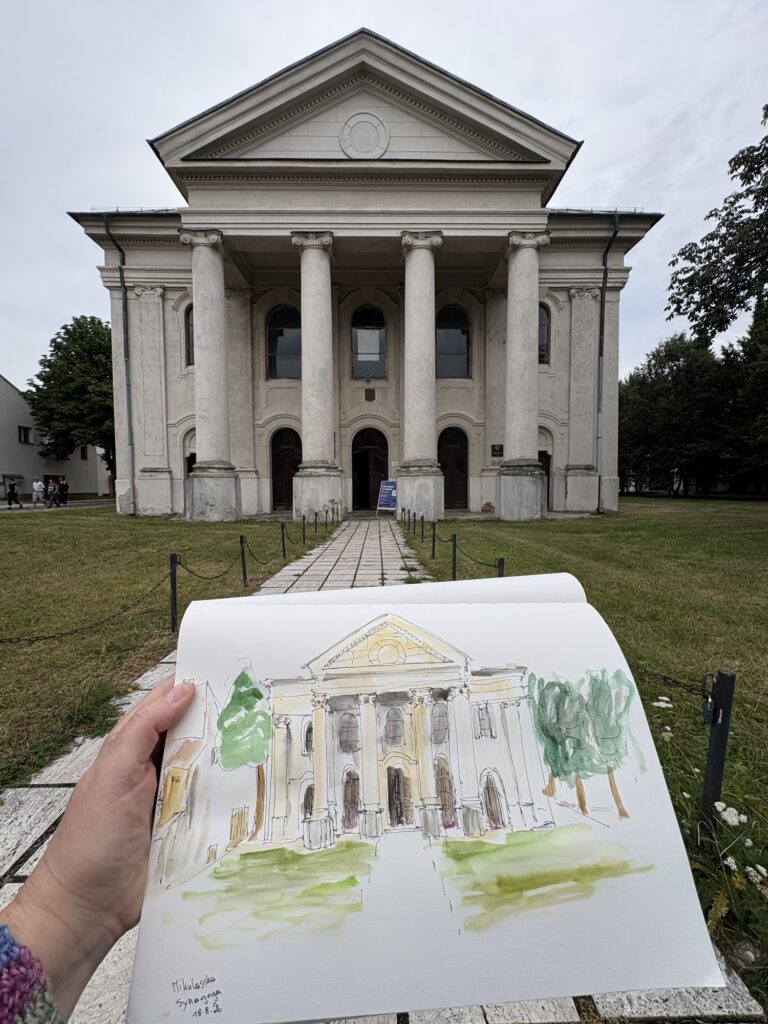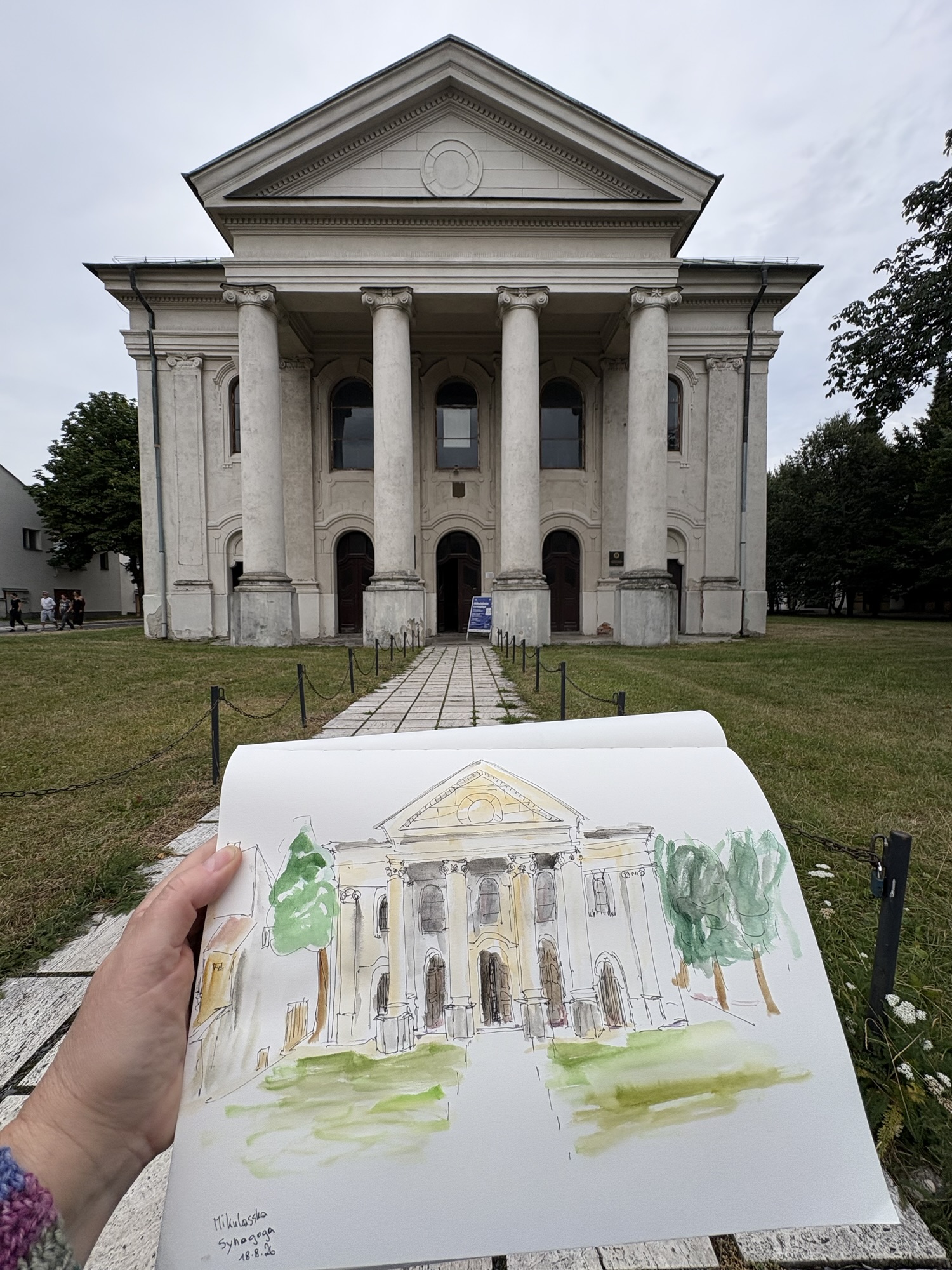
is a town of about 30.000, located in the north of Slovakia in a valley enclosed to the north and to the south by the Tatra mountains. When the communists grabbed power after WW2, they changed the original name from Liptovský Svätý Mikuláš (“Liptovský Saint Nicholas”) by striking out the “Saint”.
In 2026, Wikipedia (en) made no mention whatsoever of this town’s Jewish community of old. This seems quite odd as there is a huge Synagogue right in the center and also, as Liptovský Mikuláš elected the first Jewish mayor in all of Hungary in 1865 — even two years before civil rights were granted to Jews in the Austria-Hungarian empire. For the record, the mayor’s name was Isaac Diner. (More Jewish mayors followed.)
But the Synagogue was first built on this central location even nearly 20 years earlier, in 1846!
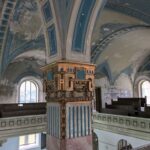
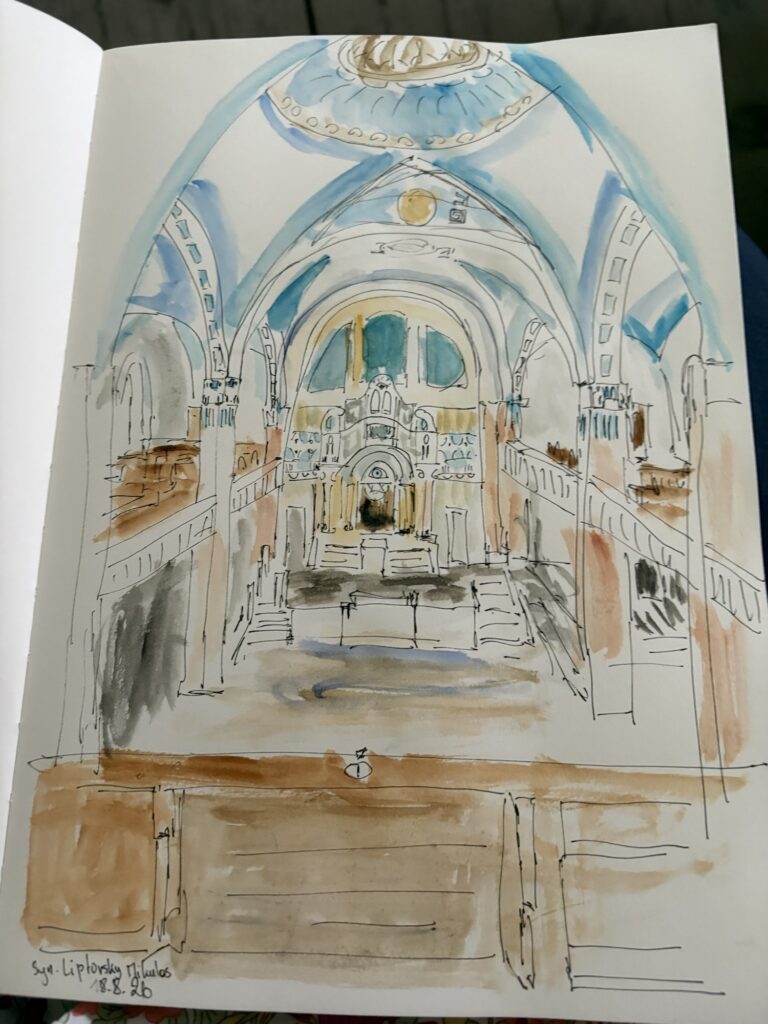
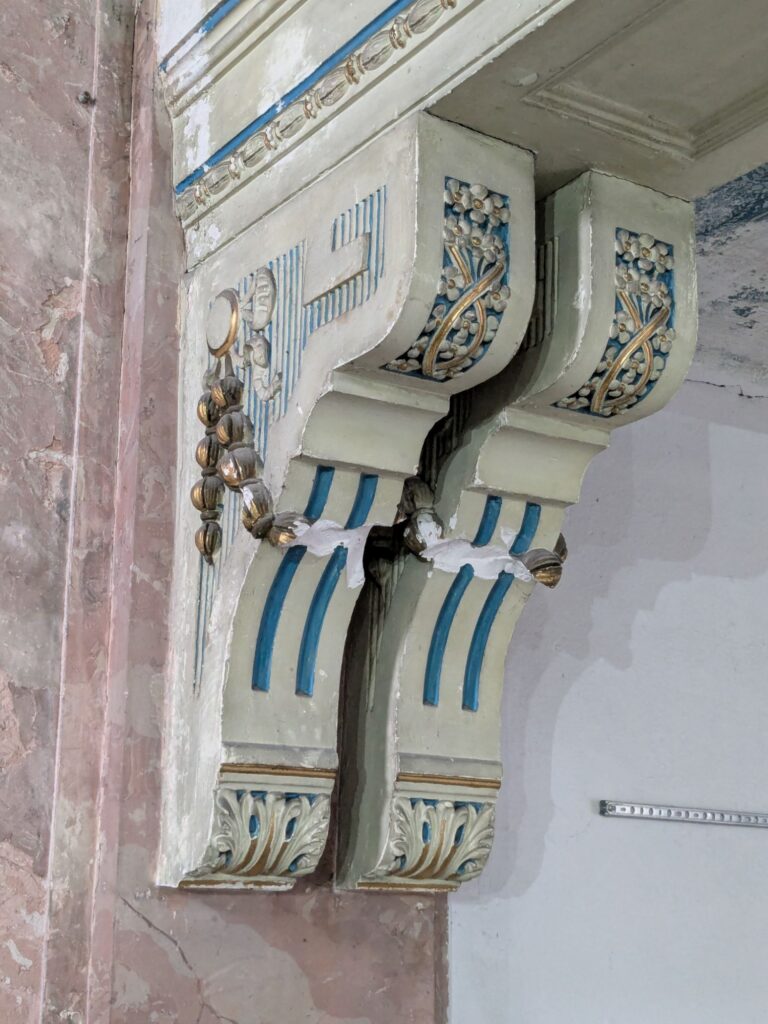
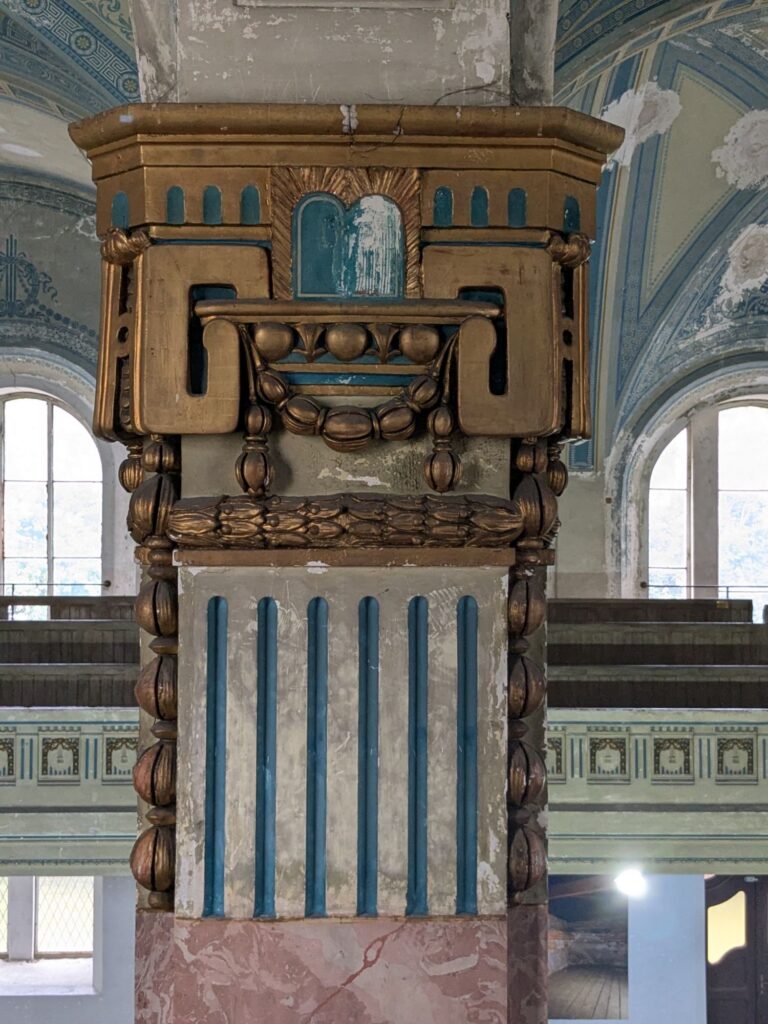
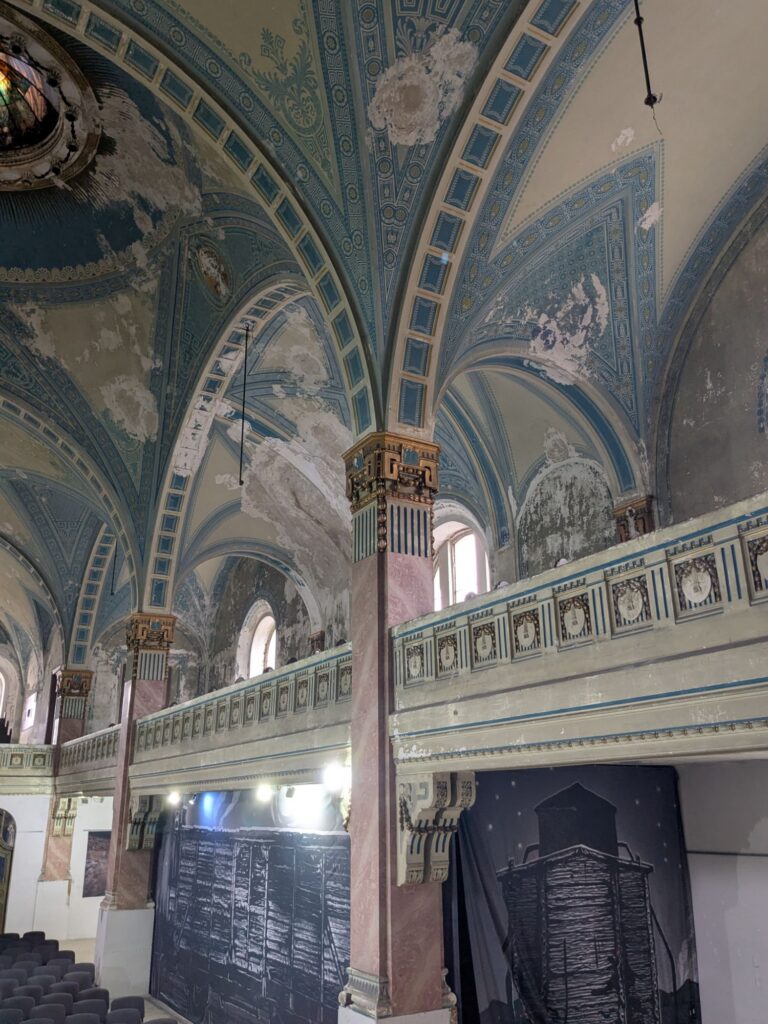
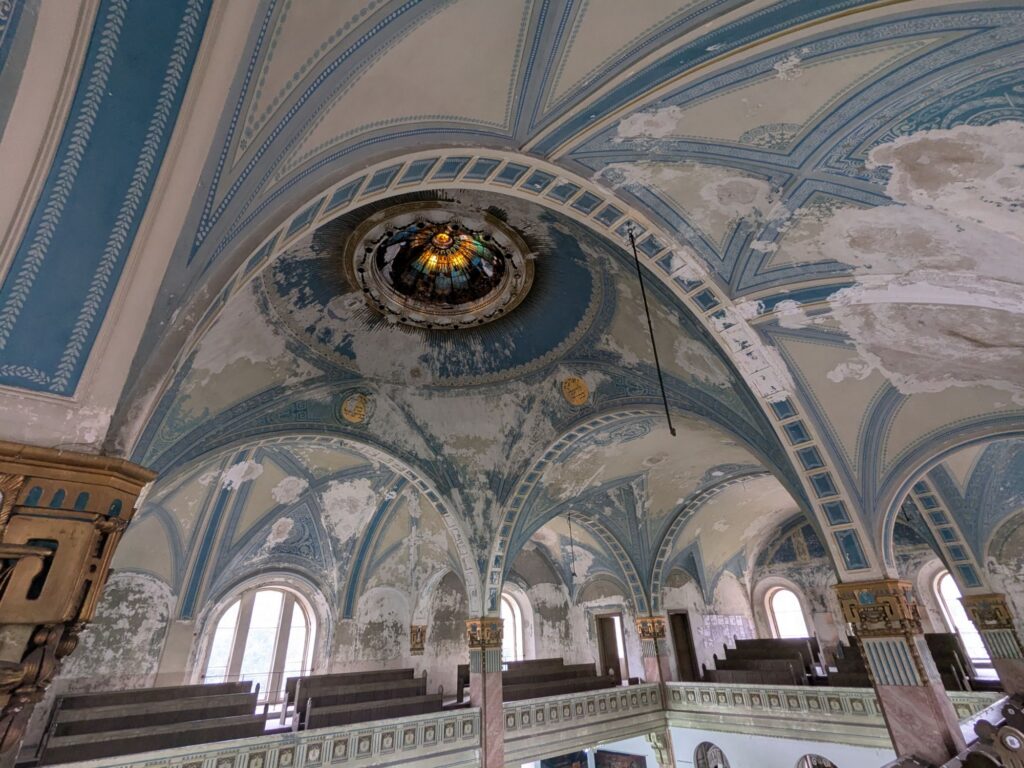
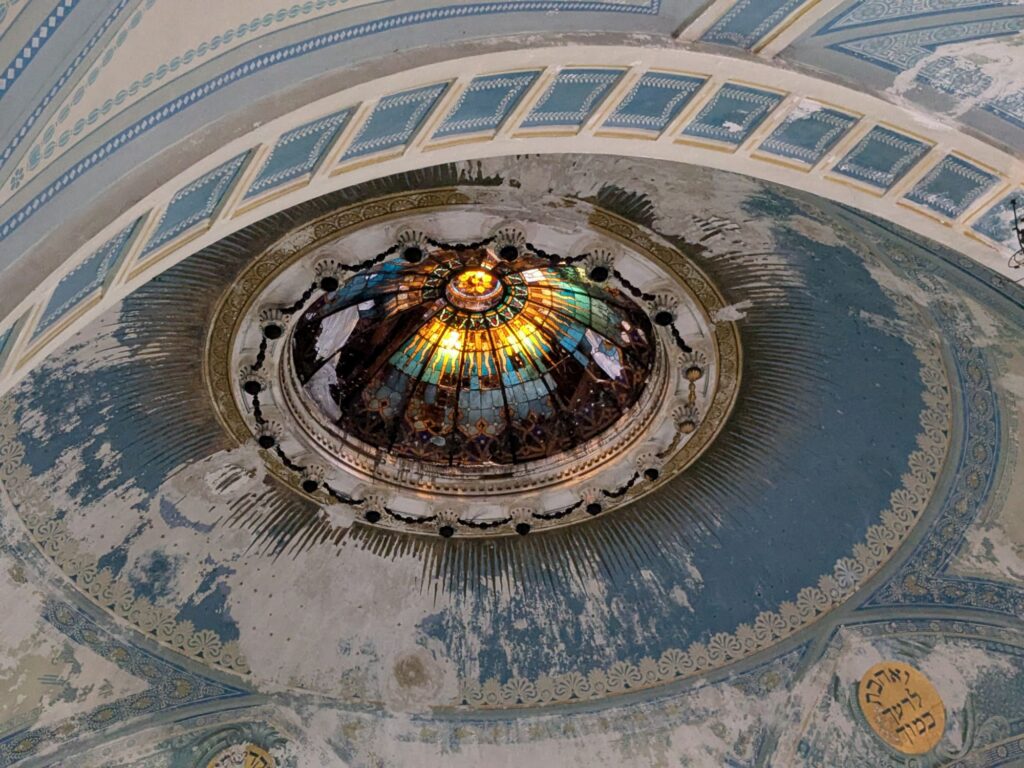
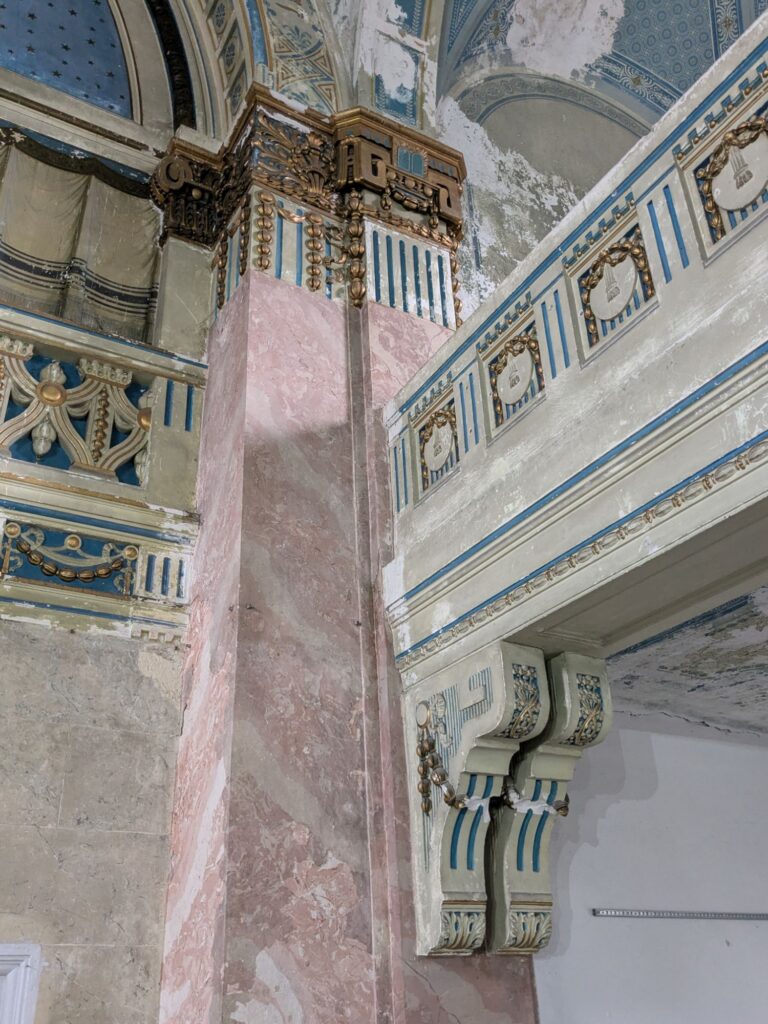
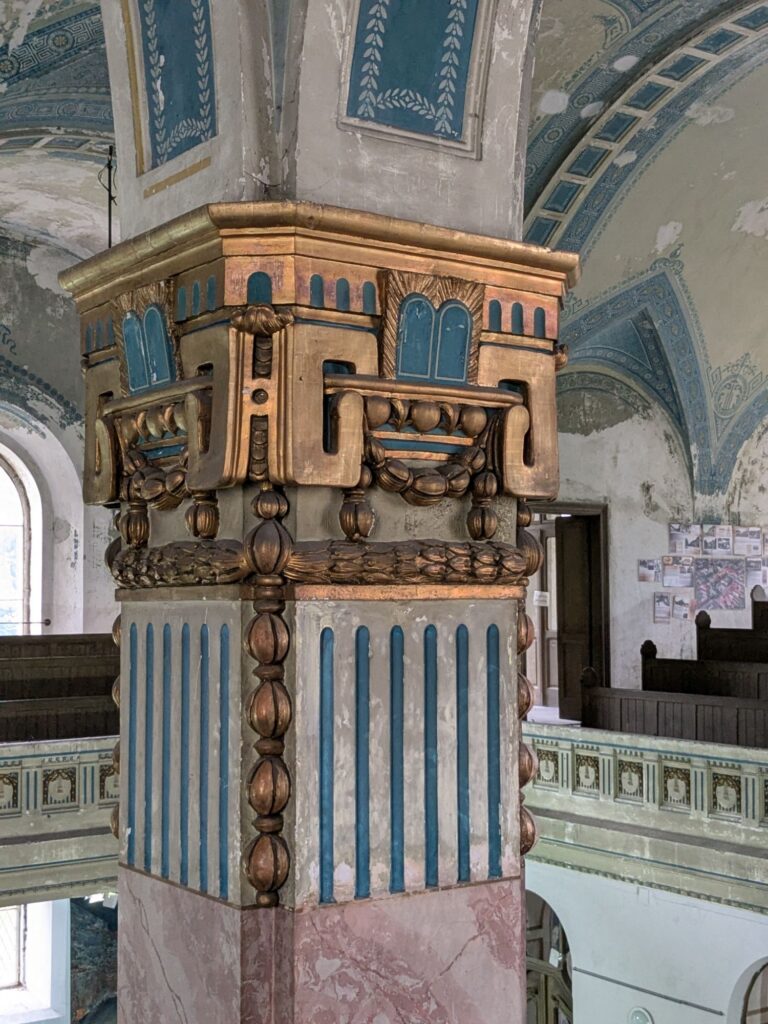
It was destroyed by fire twice and rebuilt twice, in 1878 and 1906, and each time some style elements changed. The original neo-classic style, still visible from the outside, was amended with art nouveau elements and finally the building was topped with a dome. It is quite a fusion of styles and a sight to see! (Incidentally, the architect who mixed and intertwined so many different styles to such exciting results was Lipot [Leopold] Baumhorn, who also built the Synagogues in Szeged, Nitra, and many others.)
Destruction and Renovation
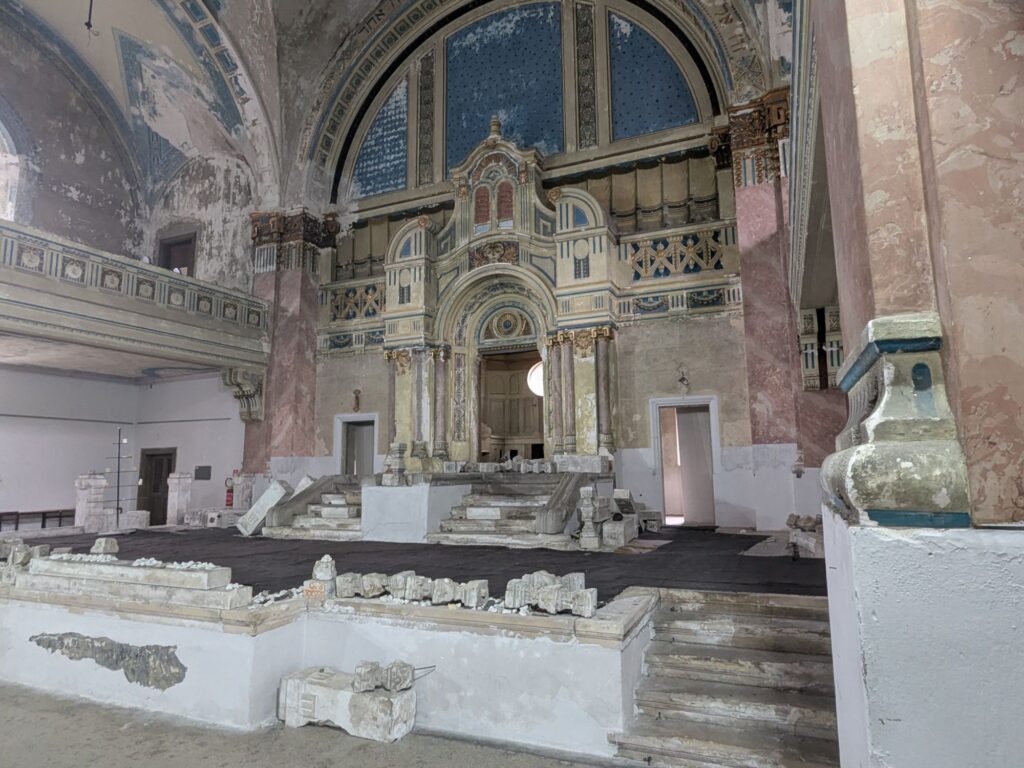
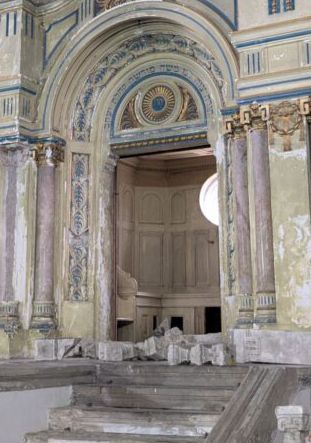
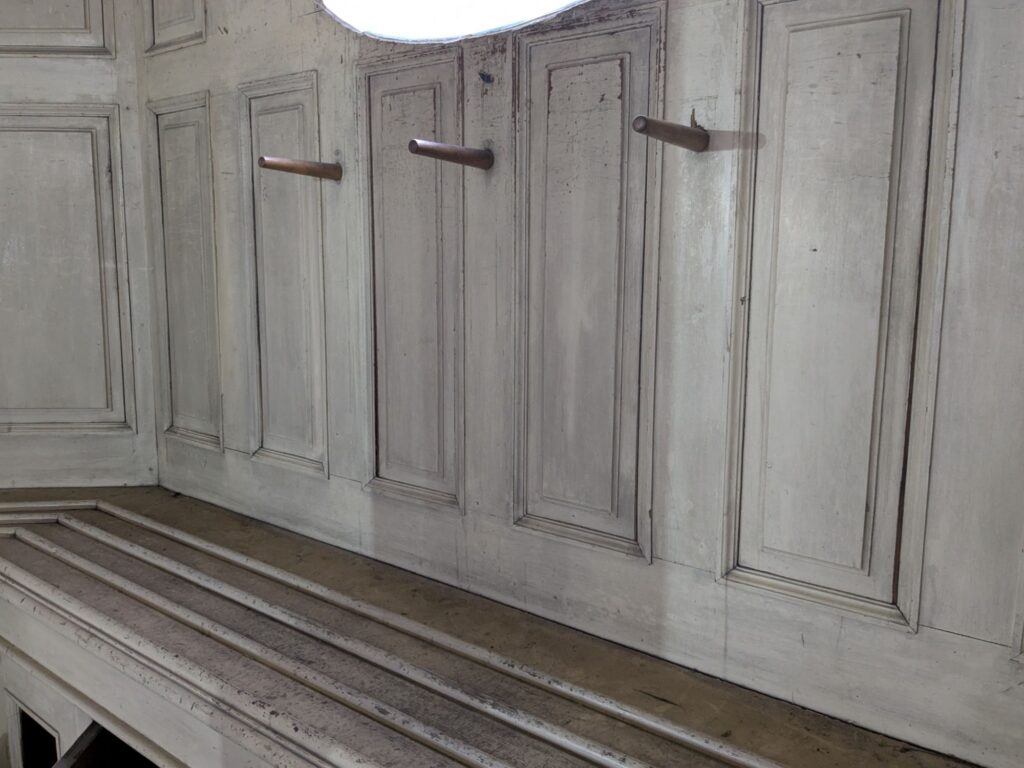
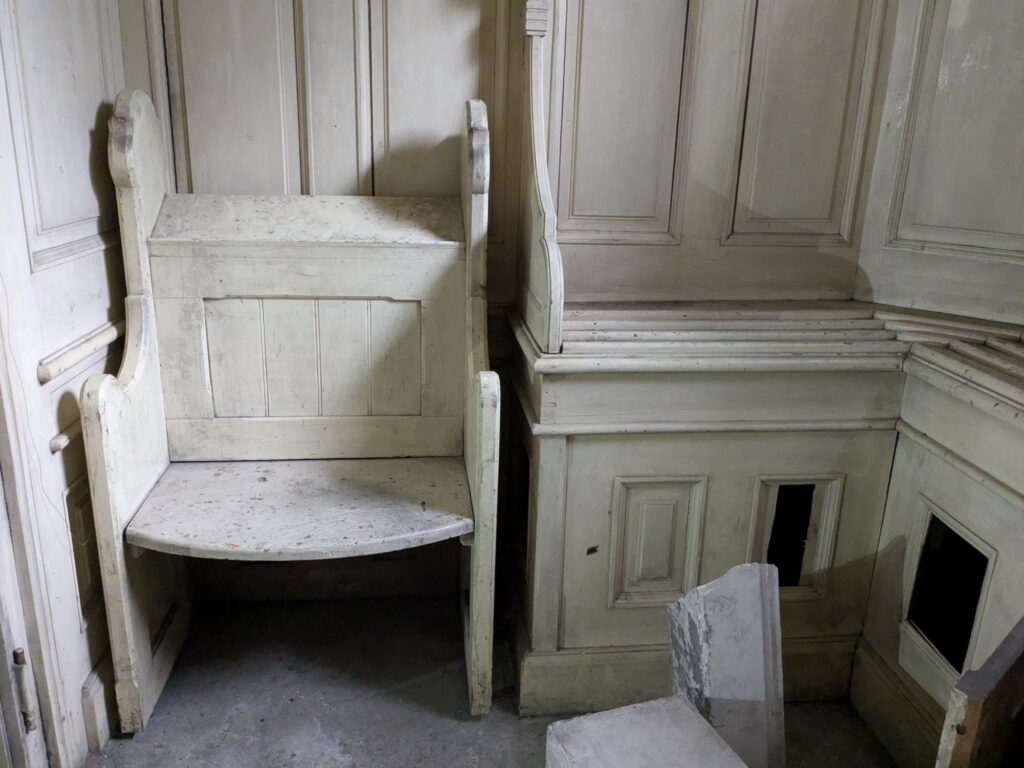
Make no mistake: the Synagogue’s deplorable condition is not the result of Fascist rule and the war, but of willful vandalism and neglect on the part of the Communist rulers in the 1980s. The destruction of the Jewish cemetery also took place during Communism; from what I have learned in the 1950s-70s.
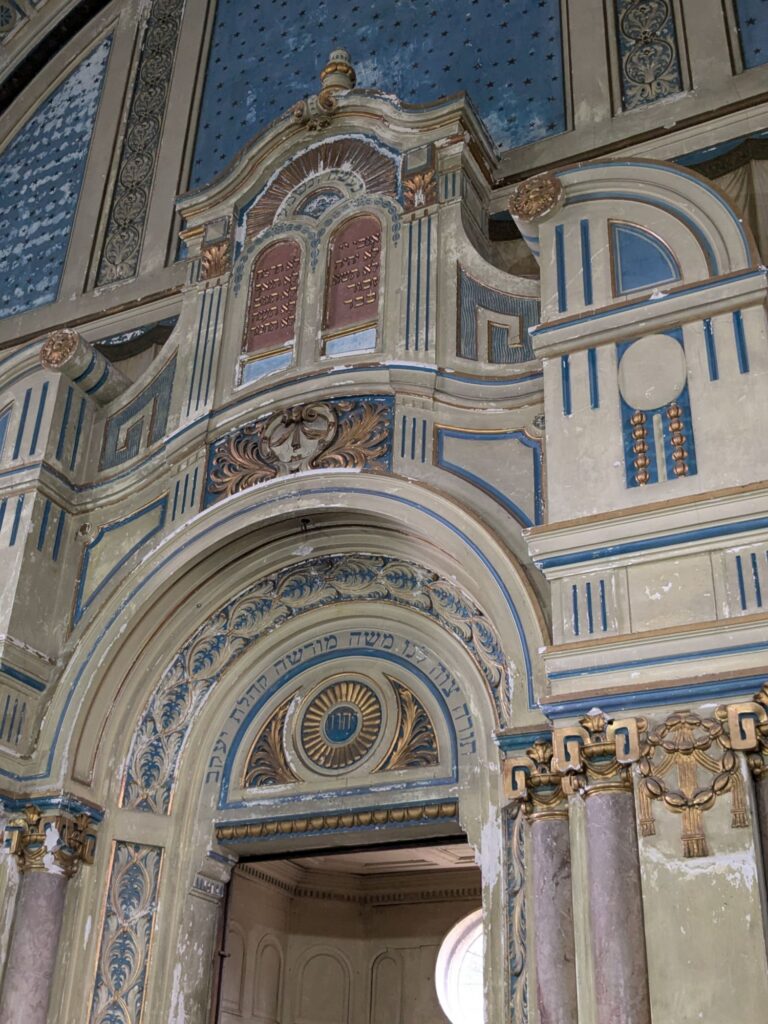
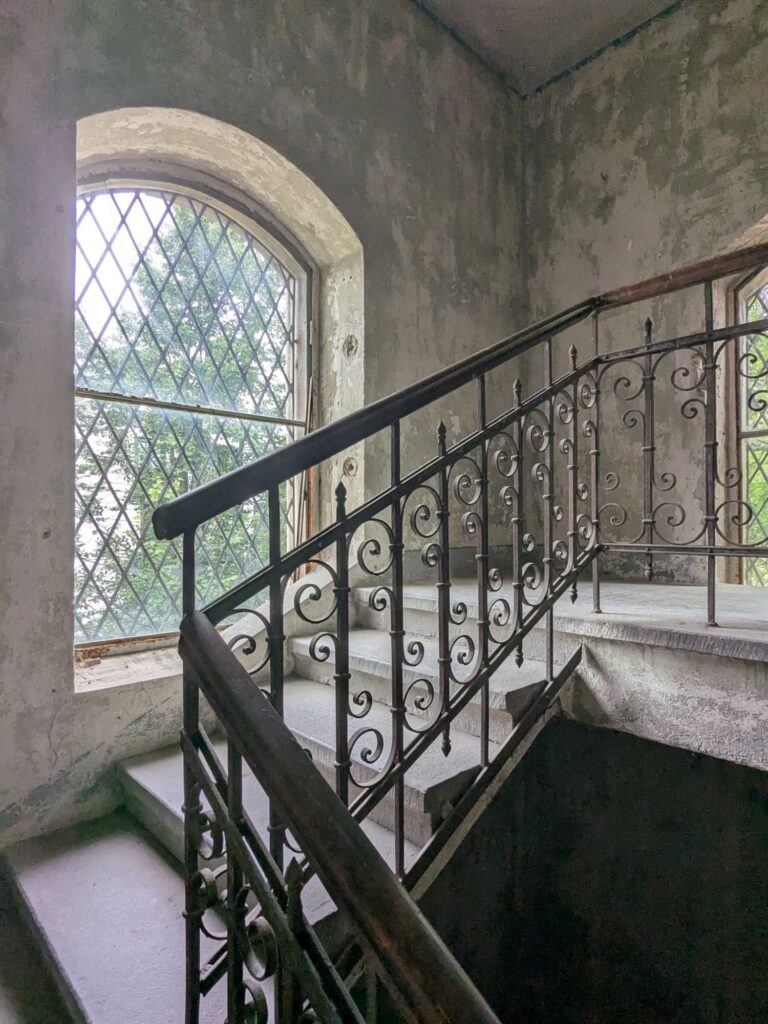
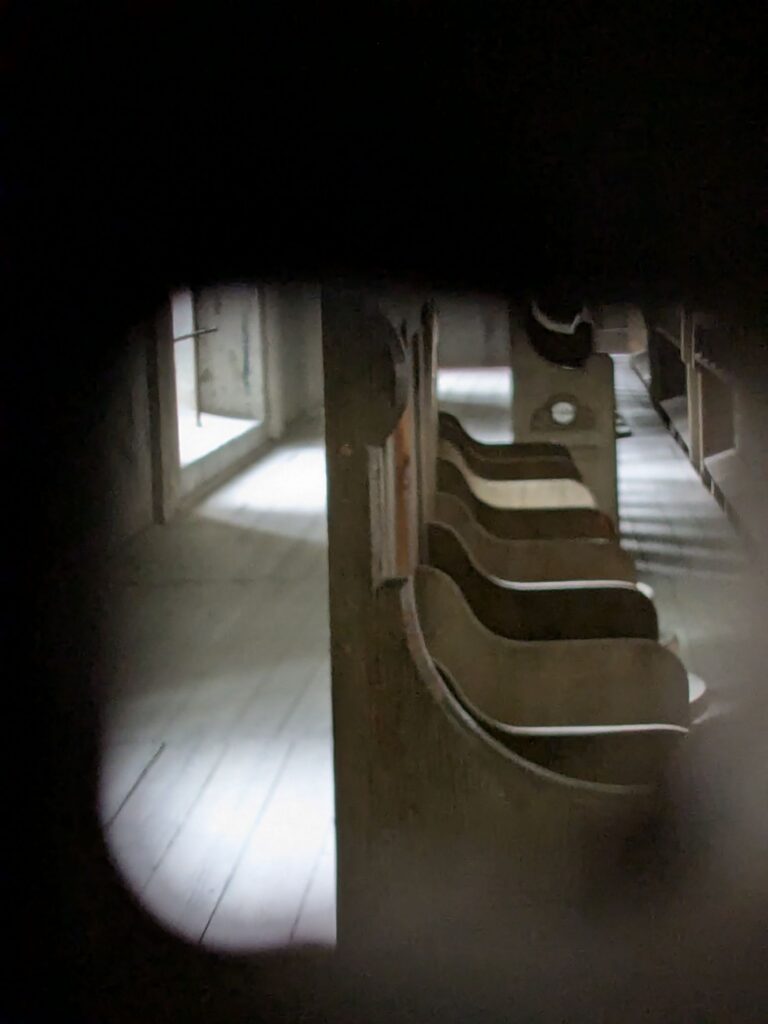
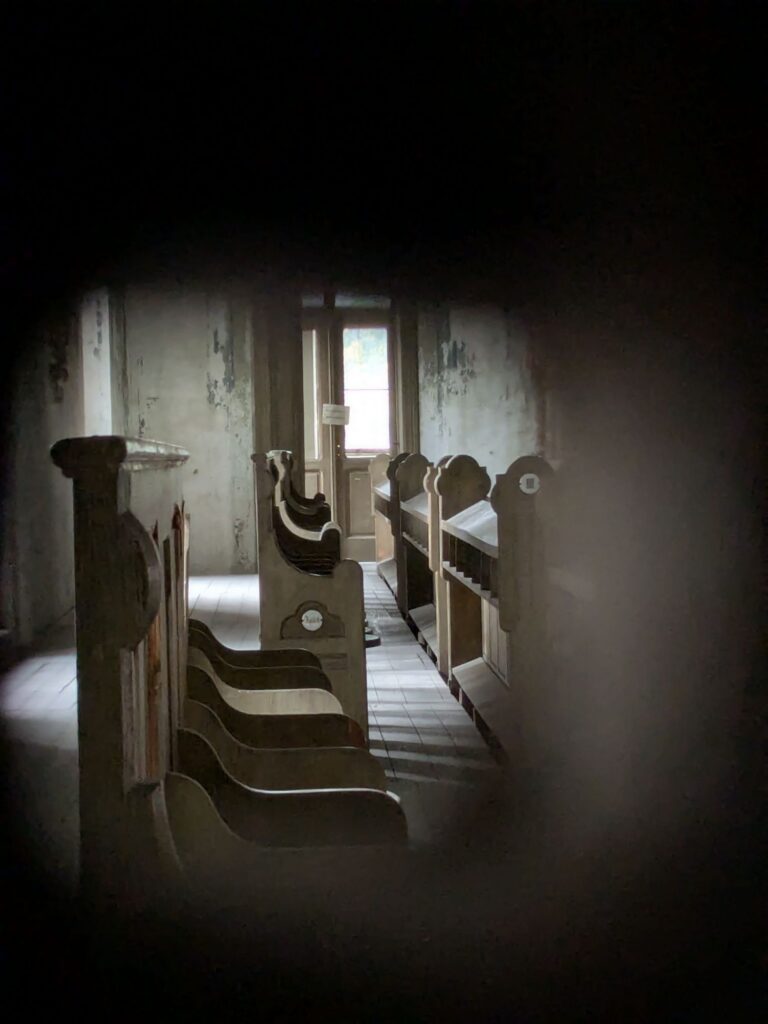
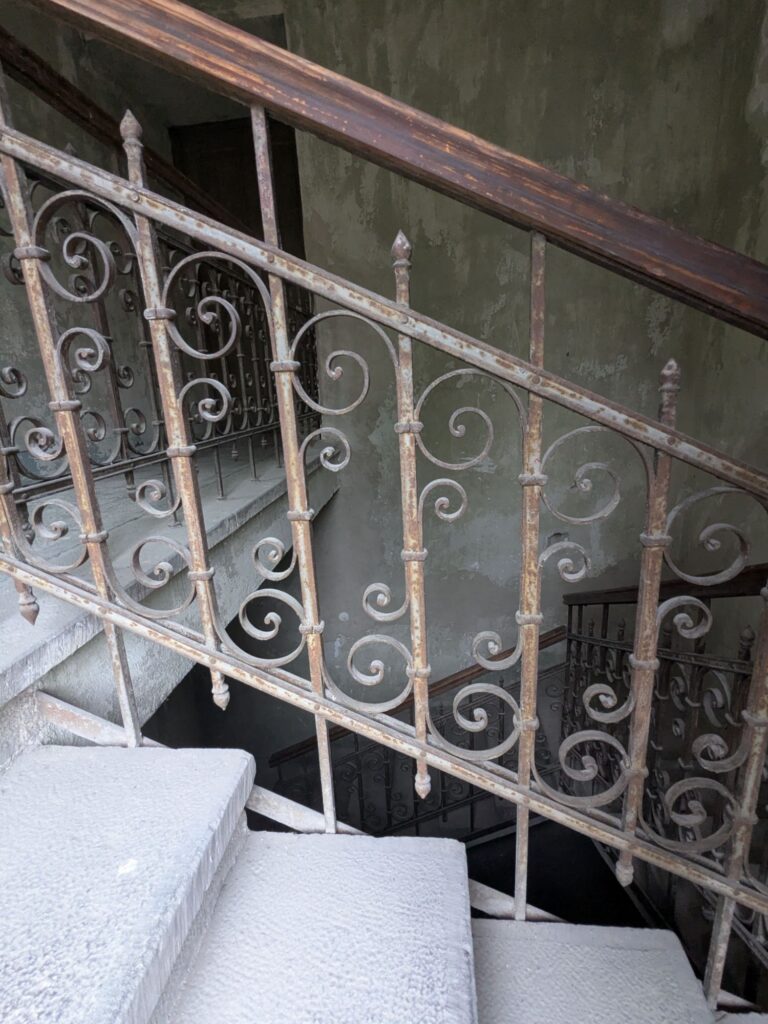
As of this writing in August 2026, the building can be visited for a small fee. The Bimah and the Aron Kodesh are destroyed and the Bimah is littered with stone remnants, the furniture in the men’s section is gone, most of the floor is covered with wooden panels, apparently to protect what is left of the floor; the beautifully sculpted and painted walls are crumbling. The women’s section can be visited via an extra entrance to the left of the main portal and still has the original furniture.
For some strange reason (probably, because the Jewish cemetery was destroyed and converted to a park) a number of grave stones have been set up in the entrance hall.
One side of the main hall has been dedicated to an exhibition on the Shoah. It is separated by curtains, which is fine by me because I wanted to admire the beauty of the place without being distracted by tragedy. Still, Giora Feidman’s rendering of Shalom Aleichem on clarinet seeped through the curtains in an endless loop. People evidently don’t understand that this is a song about peace and blessing, not tragedy and loss.