… is sometimes difficult 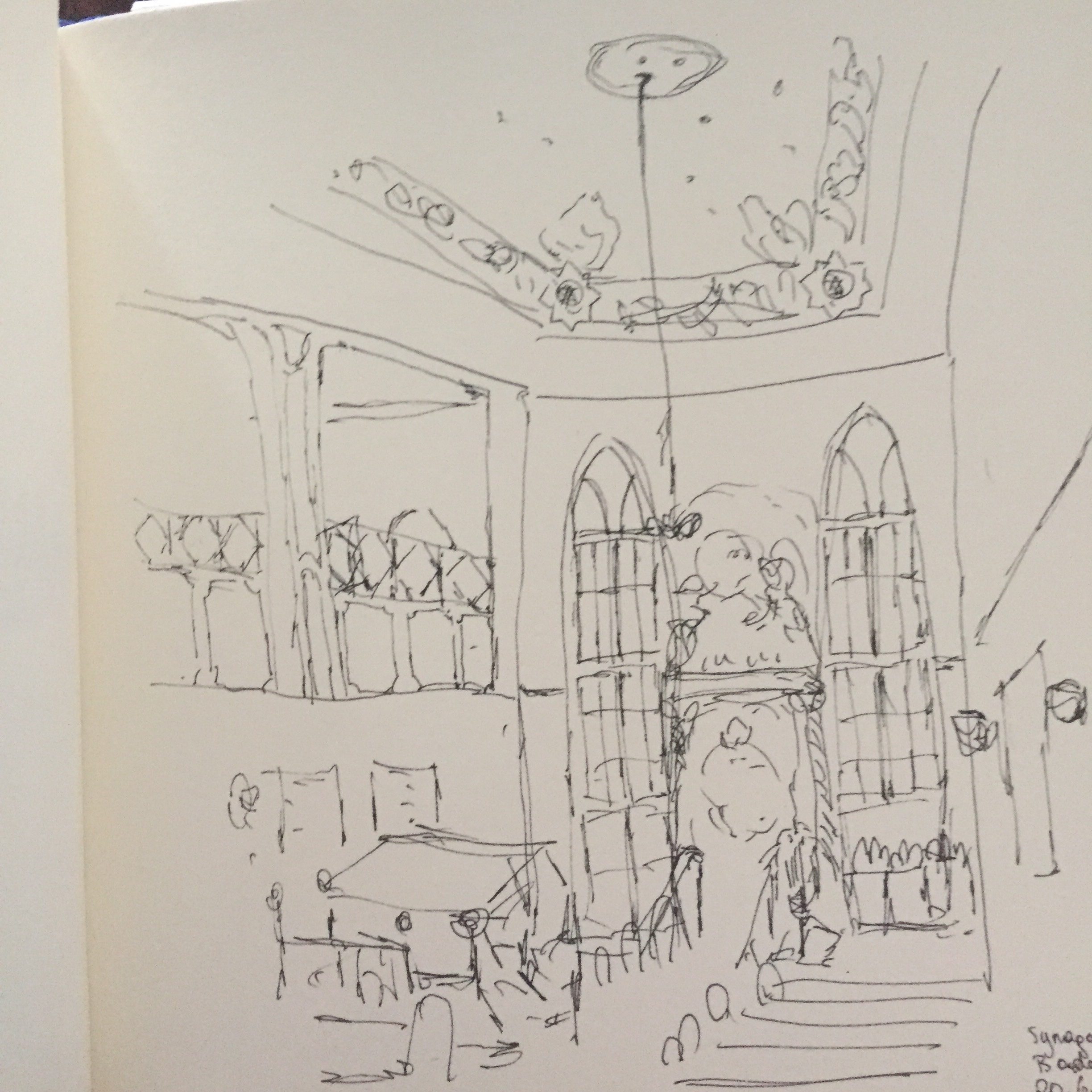
The “New” Mikvah in Bardejov
After the Shoah, and with communist rule well established (though perhaps not totally accidentally three years after Stalin’s death), in the year 1956, the Jews in Bardejov decided to build a new Mikvah right next to the old one.
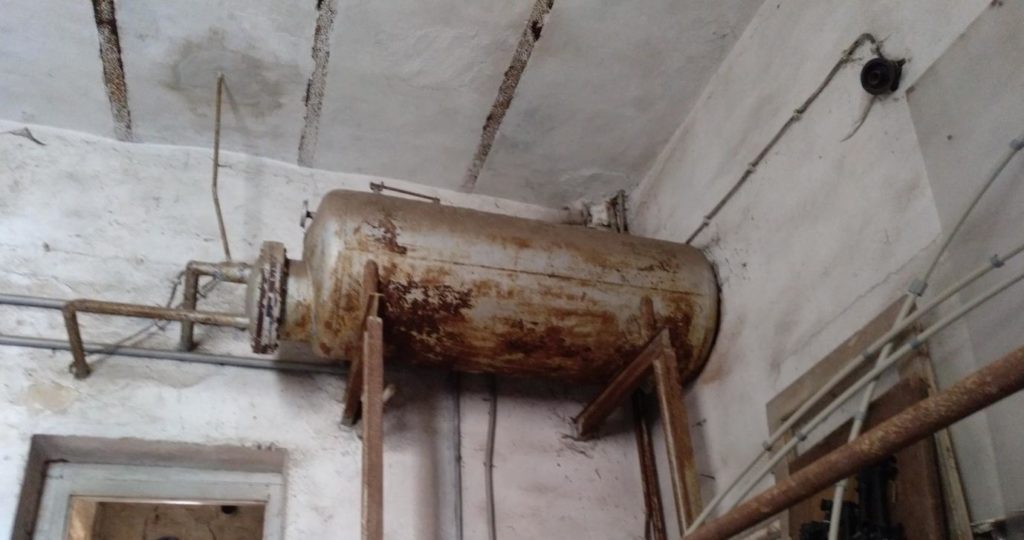
The old Mikvah was too big for the few survivors who had returned. So, a new building was erected, with a rain water collector on the roof, an oven, a bath tub for cleaning before getting into the pool and all the trimmings.
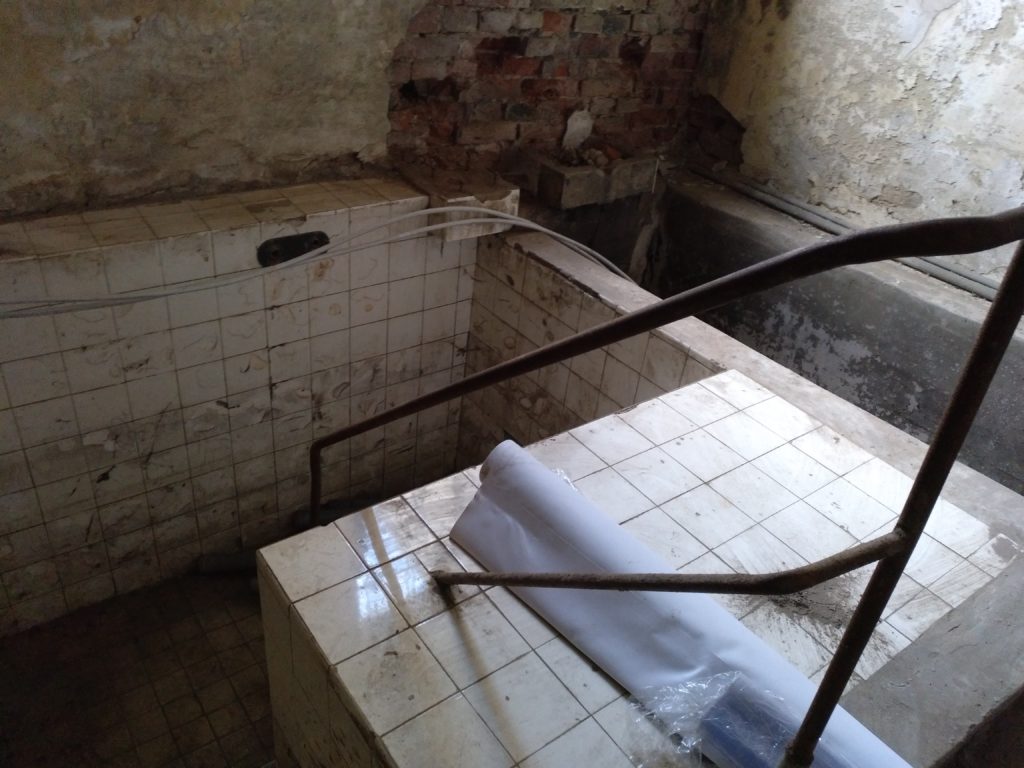
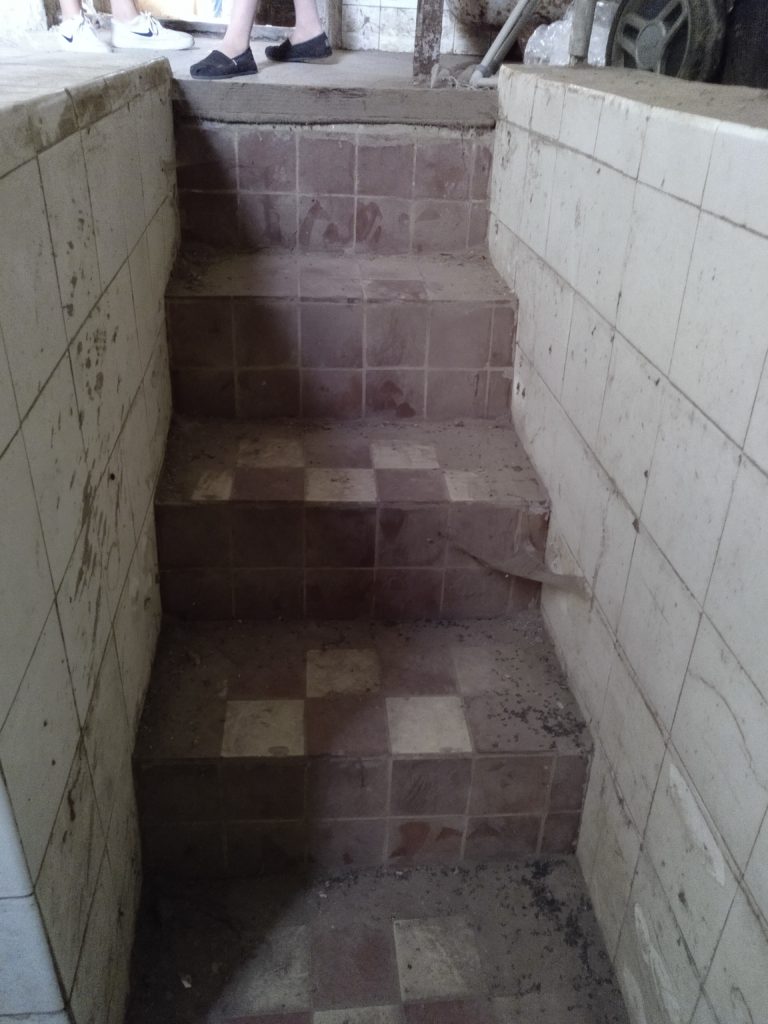
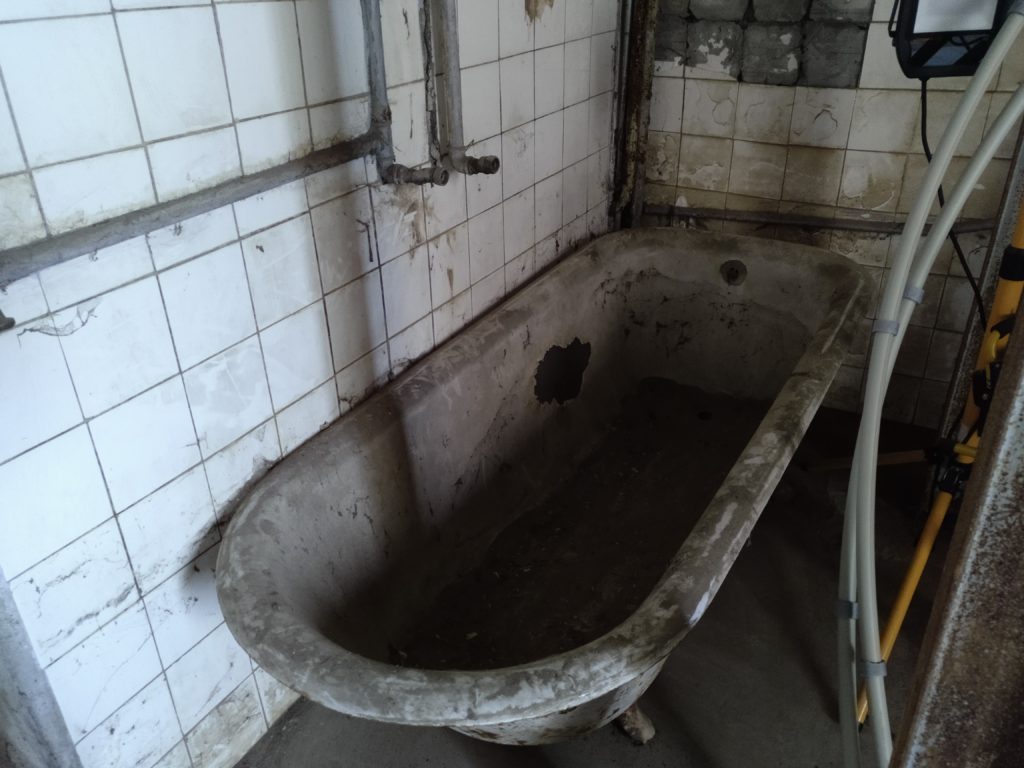
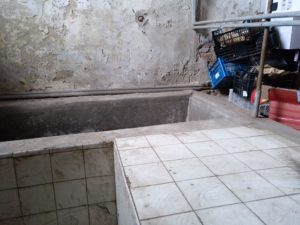
There is one basin for mixing the live water (the rain water) with regular pipe water and one basin with steps leading down. The pool is approximately 160 cm deep. Taking the dip properly would not be a simple task for average people to-day, but at the time this depth apparently seemed adequate. 
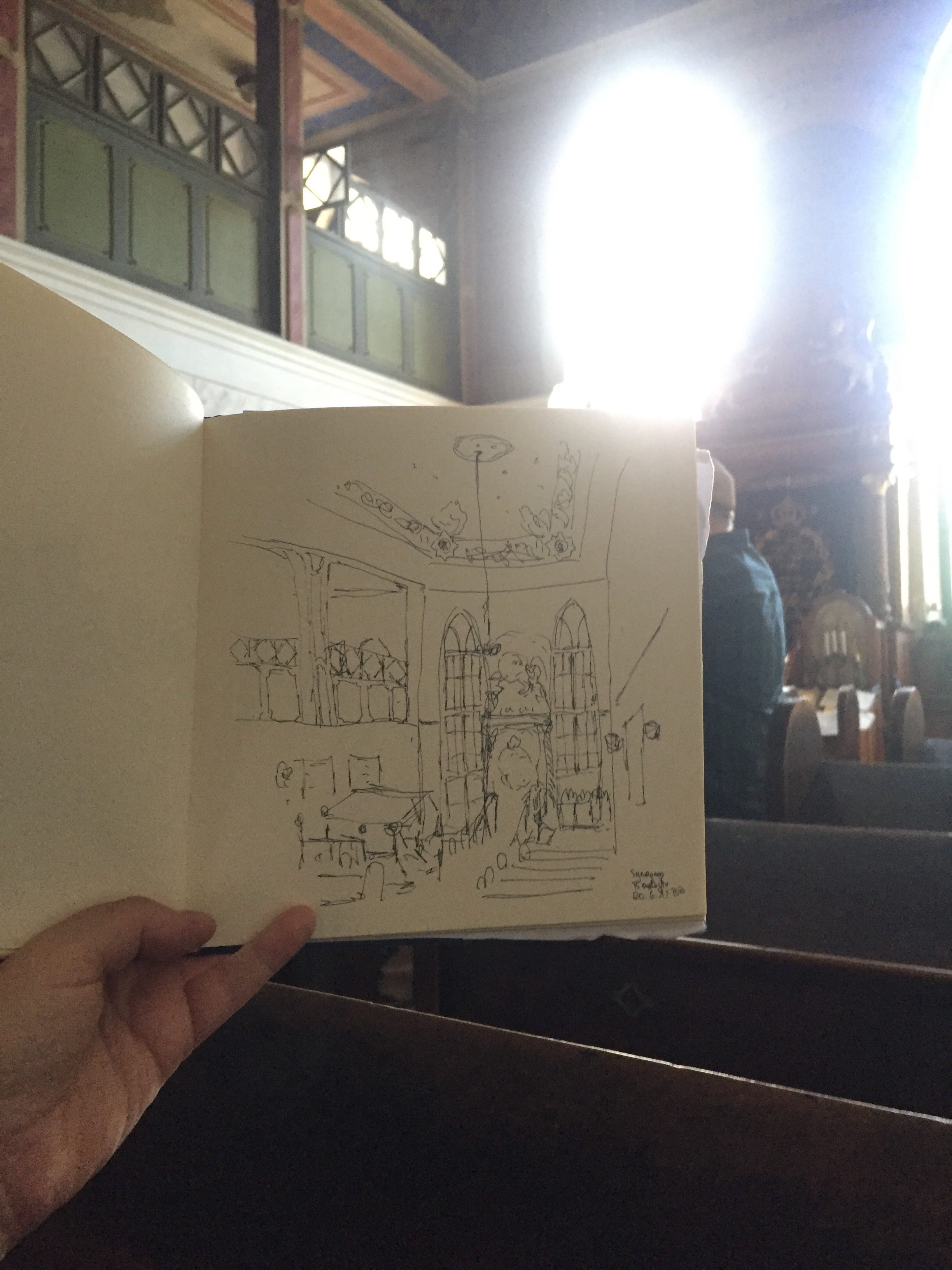
The Klois of The Chevra Bikur Cholim, Bardejov, Slovakia
No more than three minutes’ walk from the town square is a white washed building, a little higher than the other houses it is squeezed into.
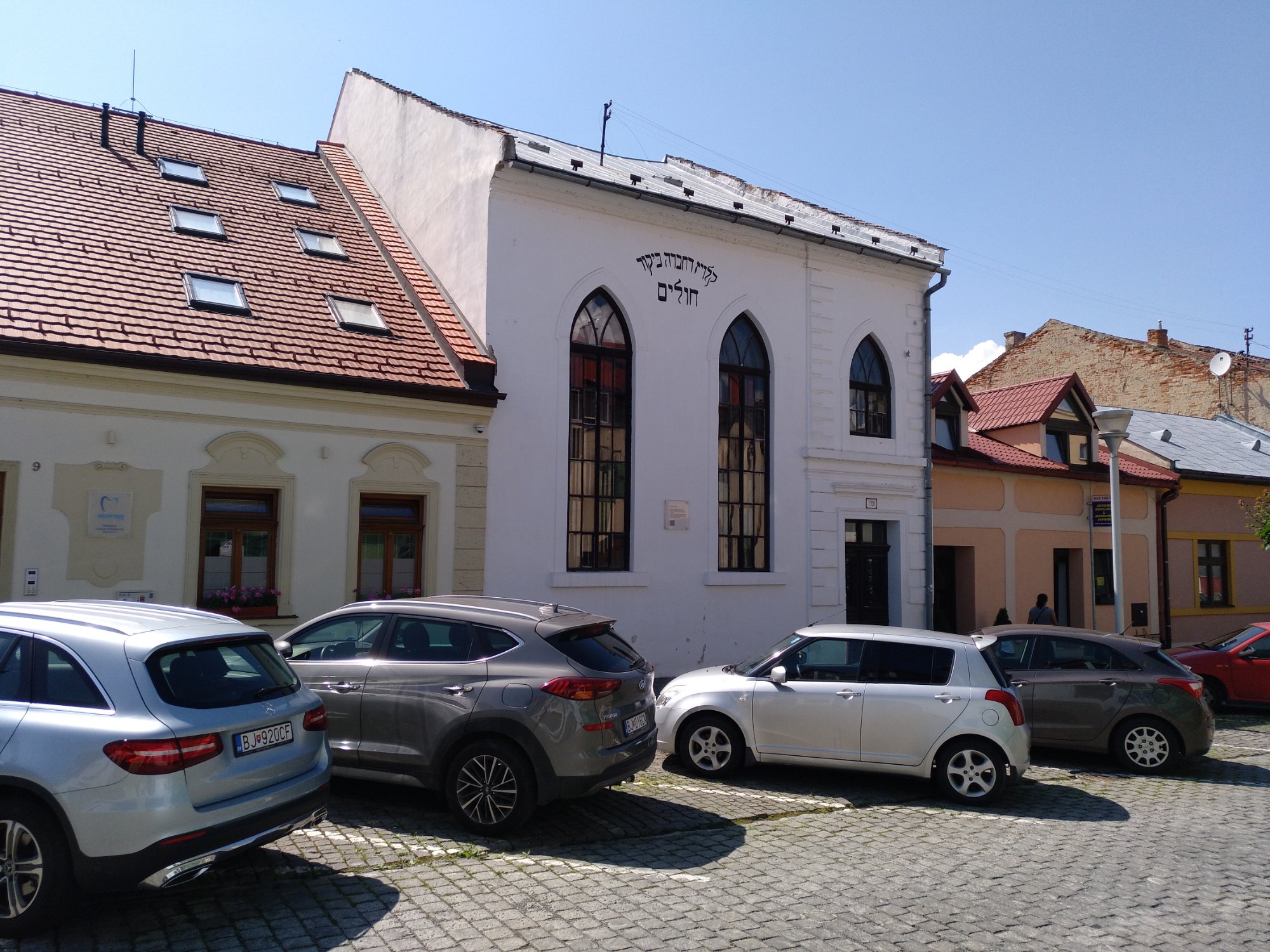
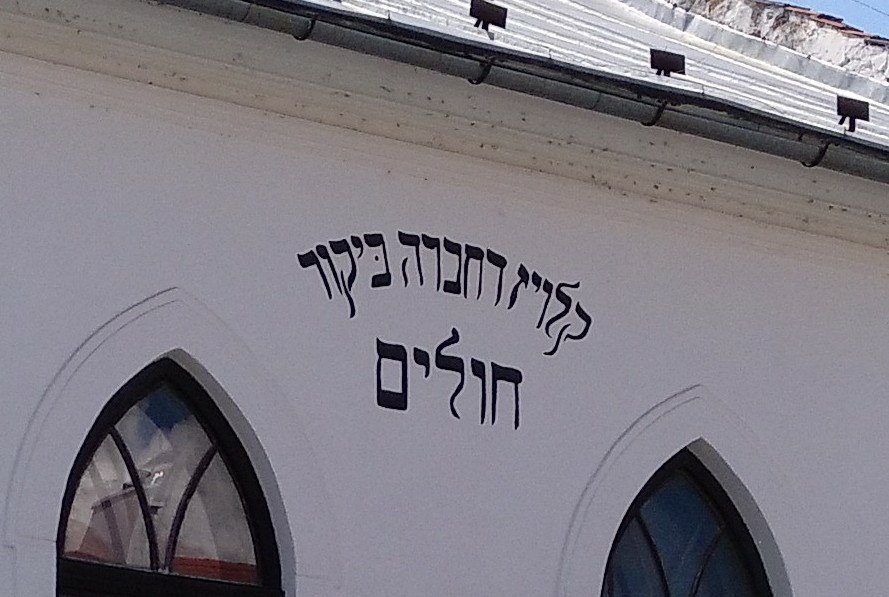
The carefully restored writing near the top of the building, and a proud little plaque on the wall mark it as a synagogue: the”Klois” of the Chevra Bikur Cholim, a charitable society.
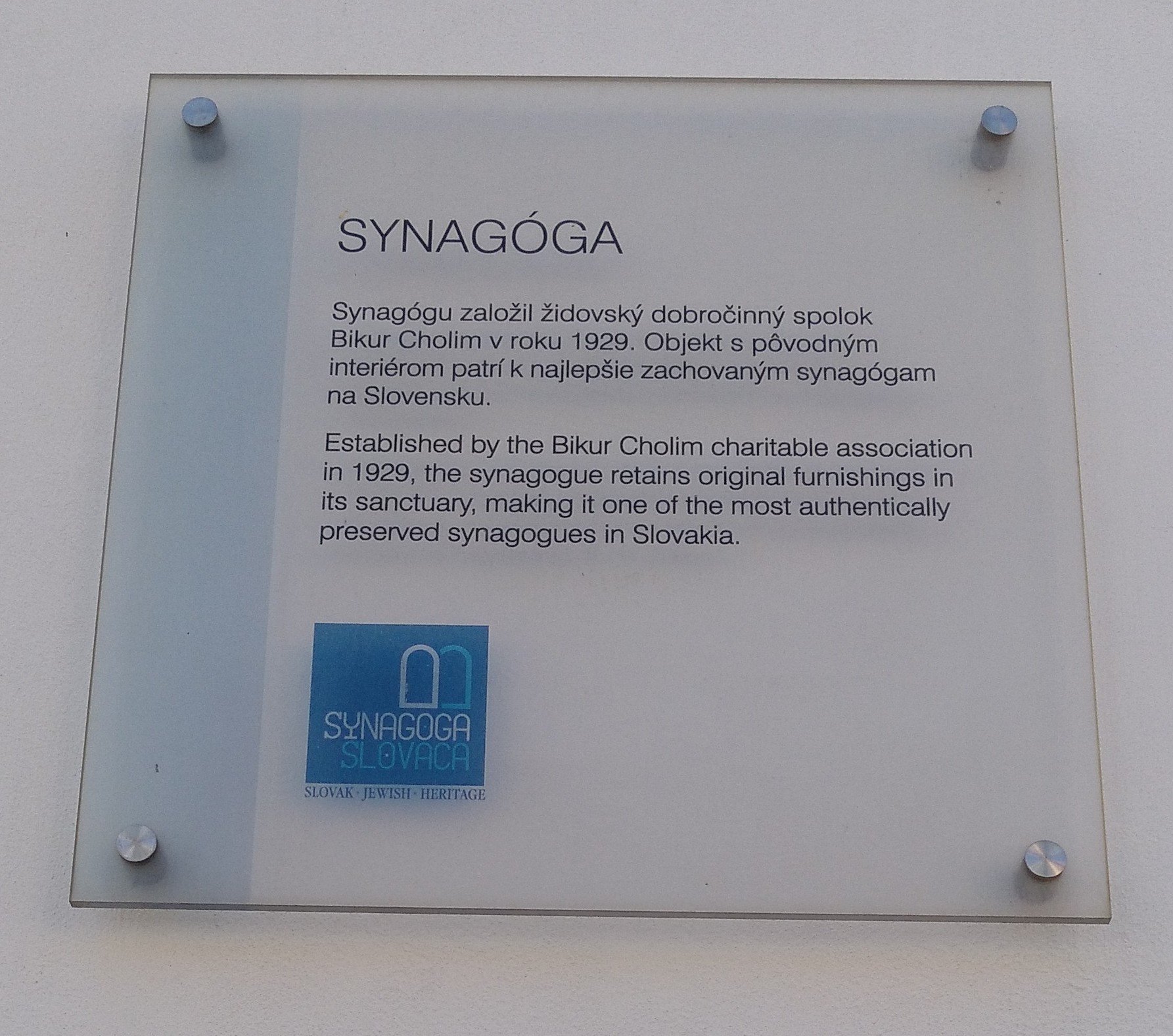
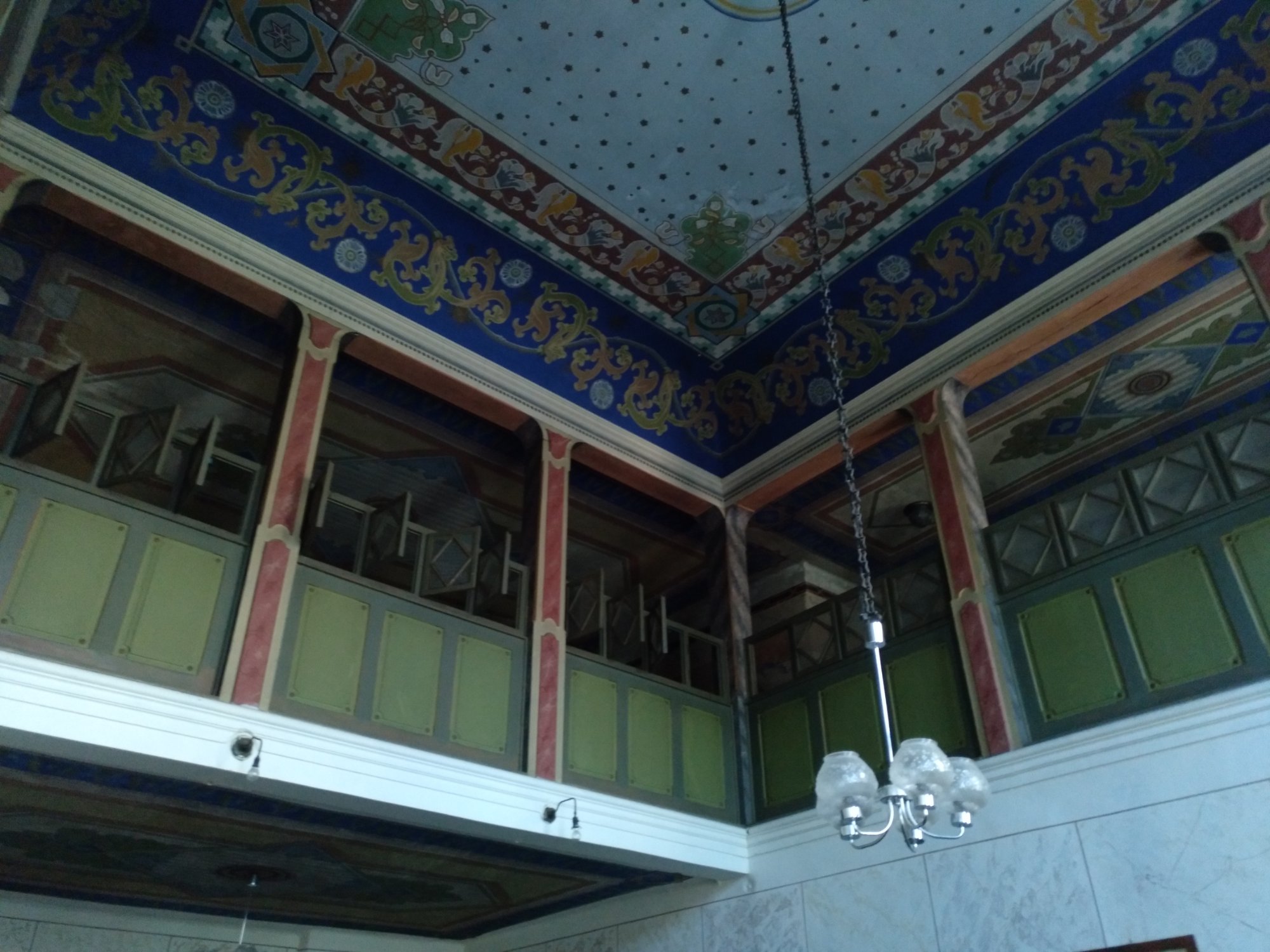
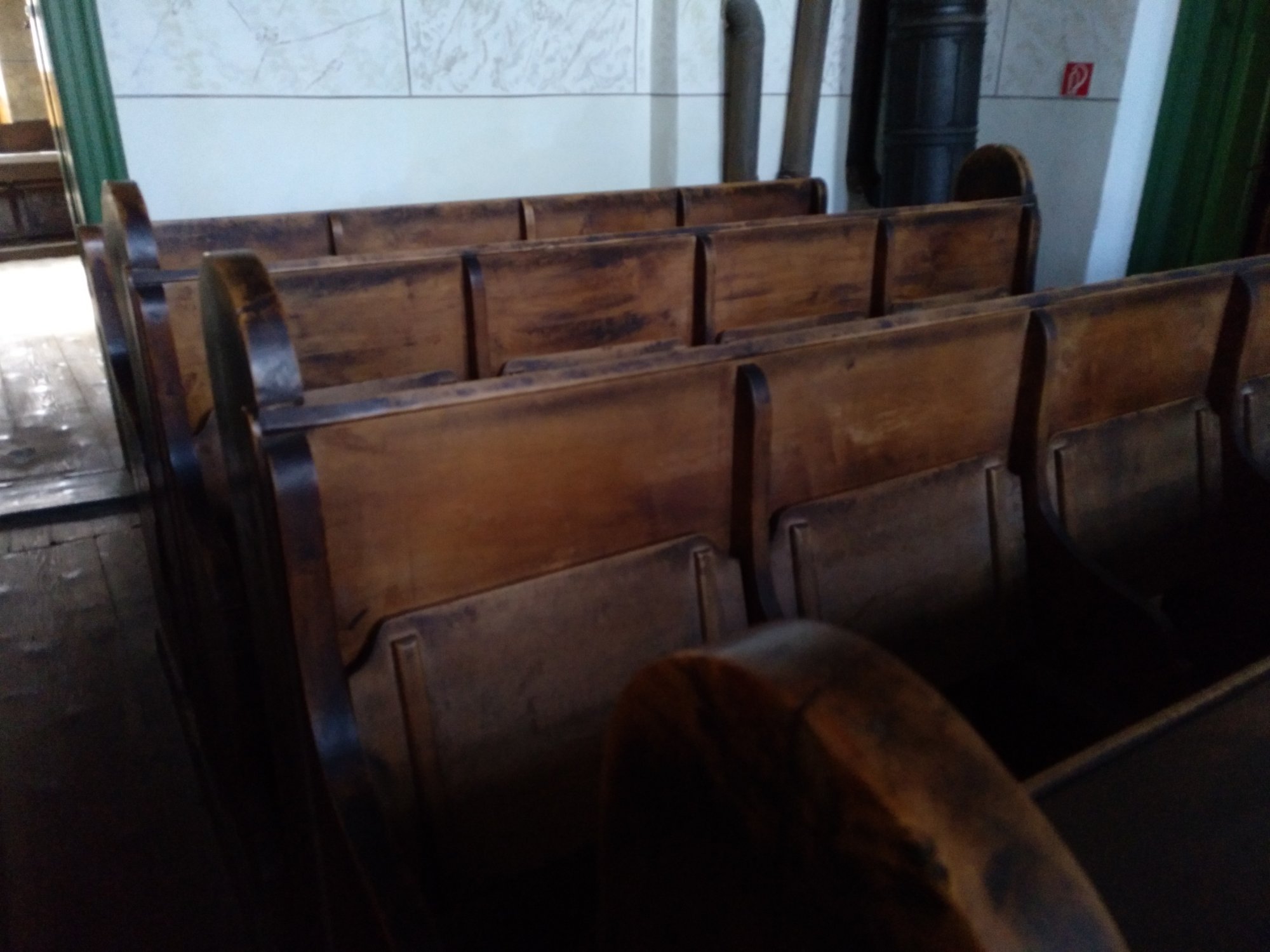
The door is locked and it is difficult to peek inside where, according to the plaque, the original furniture from 1929 is still to be seen. As the plaque goes on, the place is “the most authentically preserved synagogue in Slovakia”.
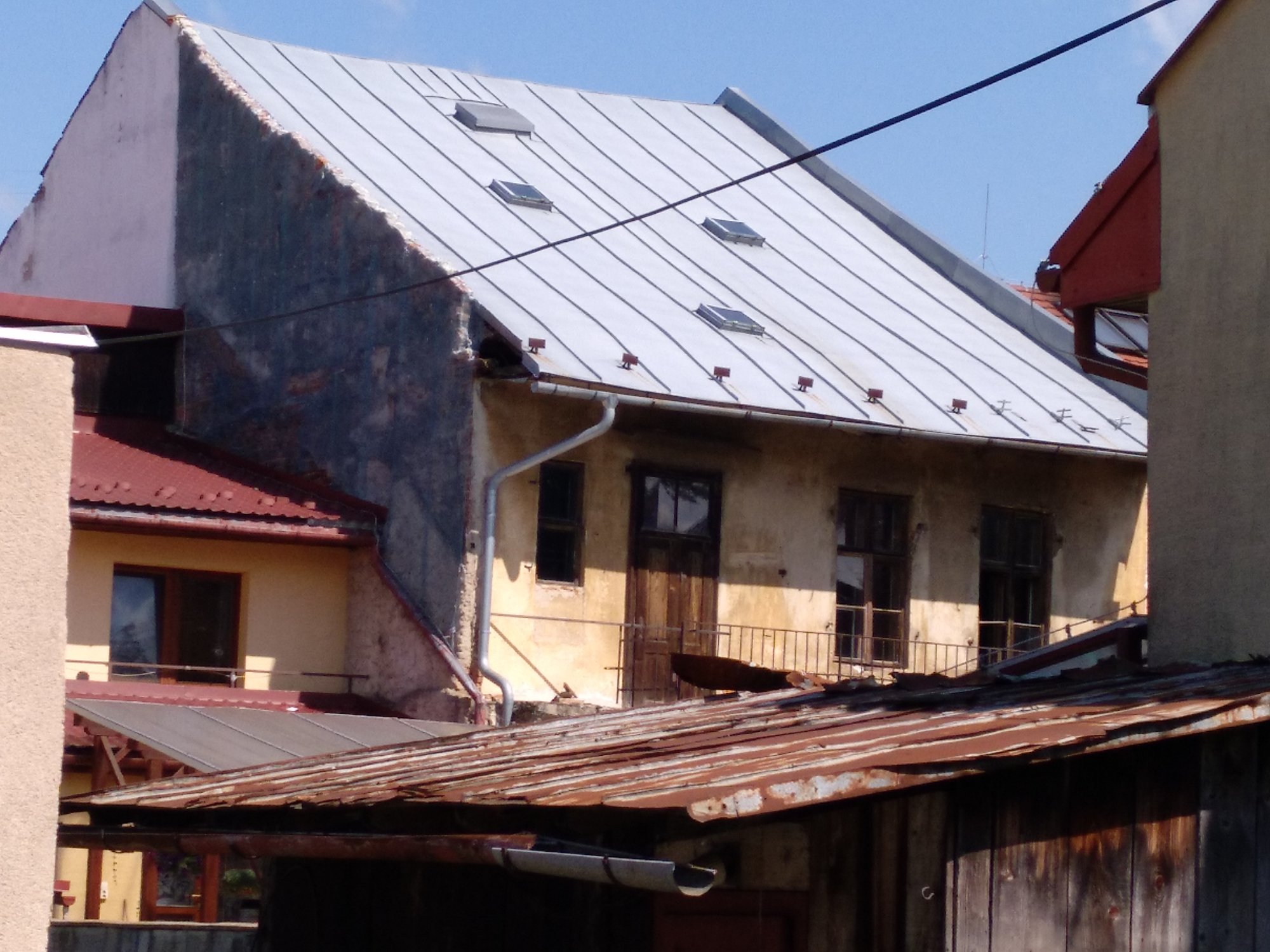
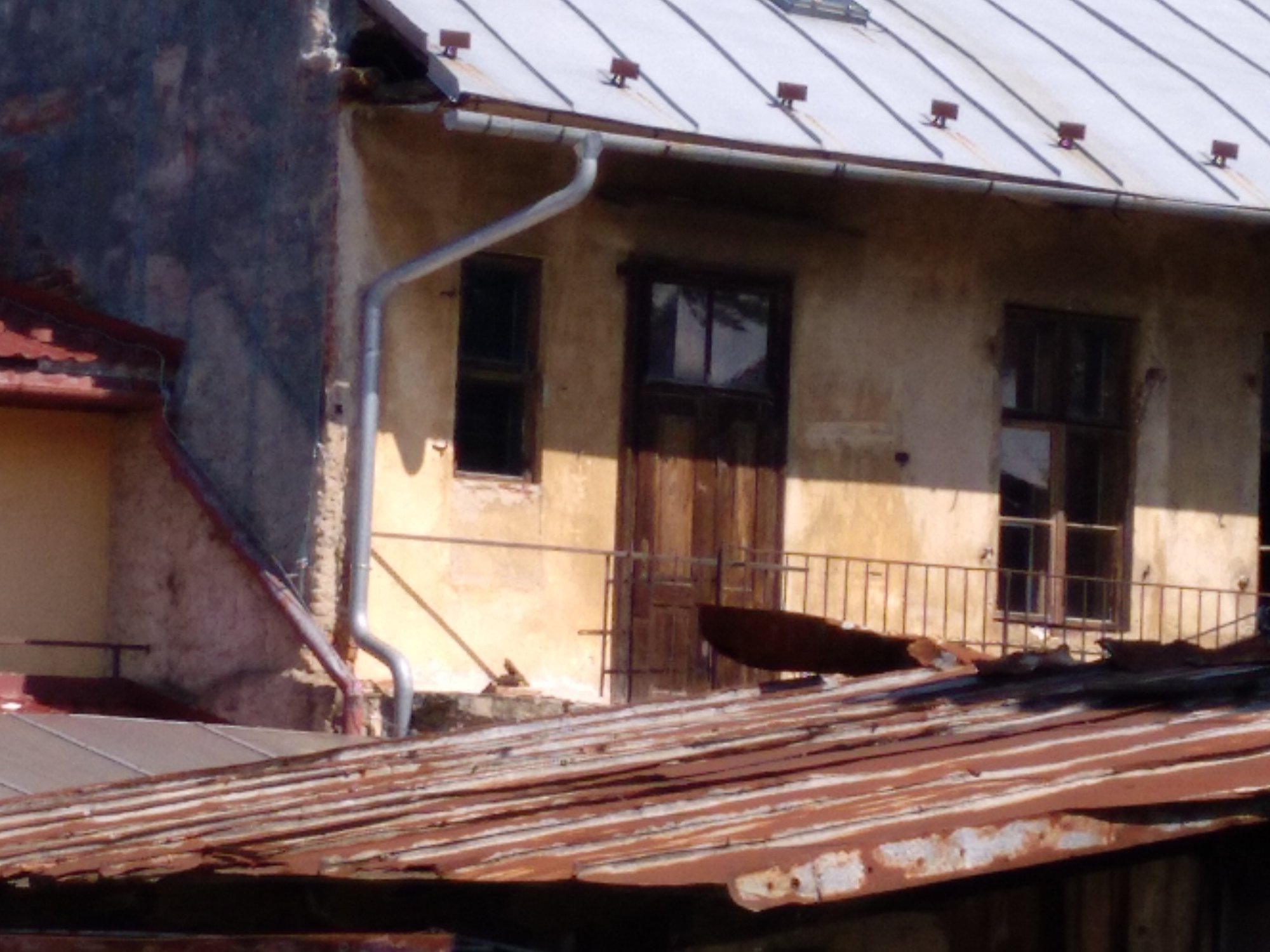
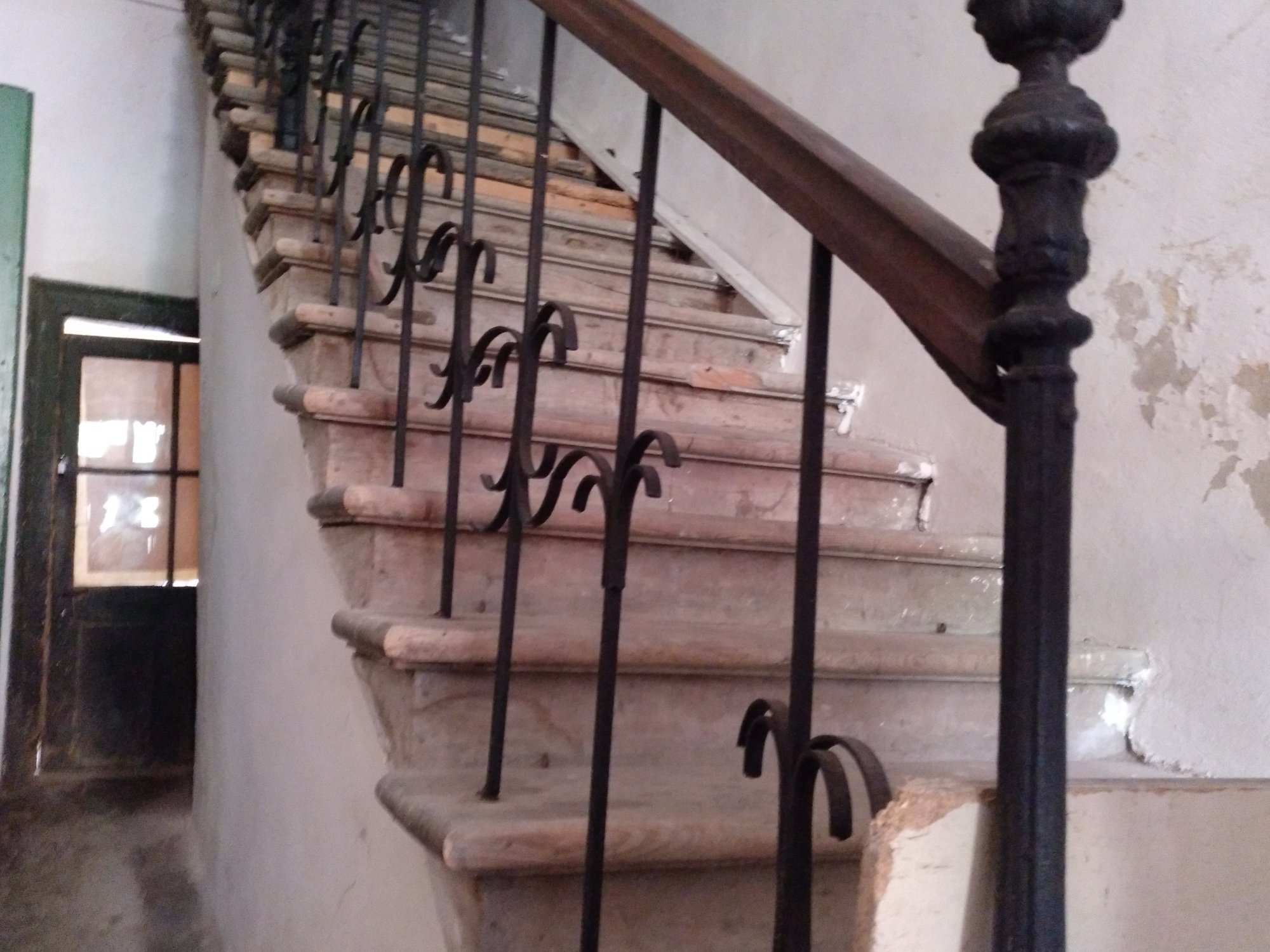
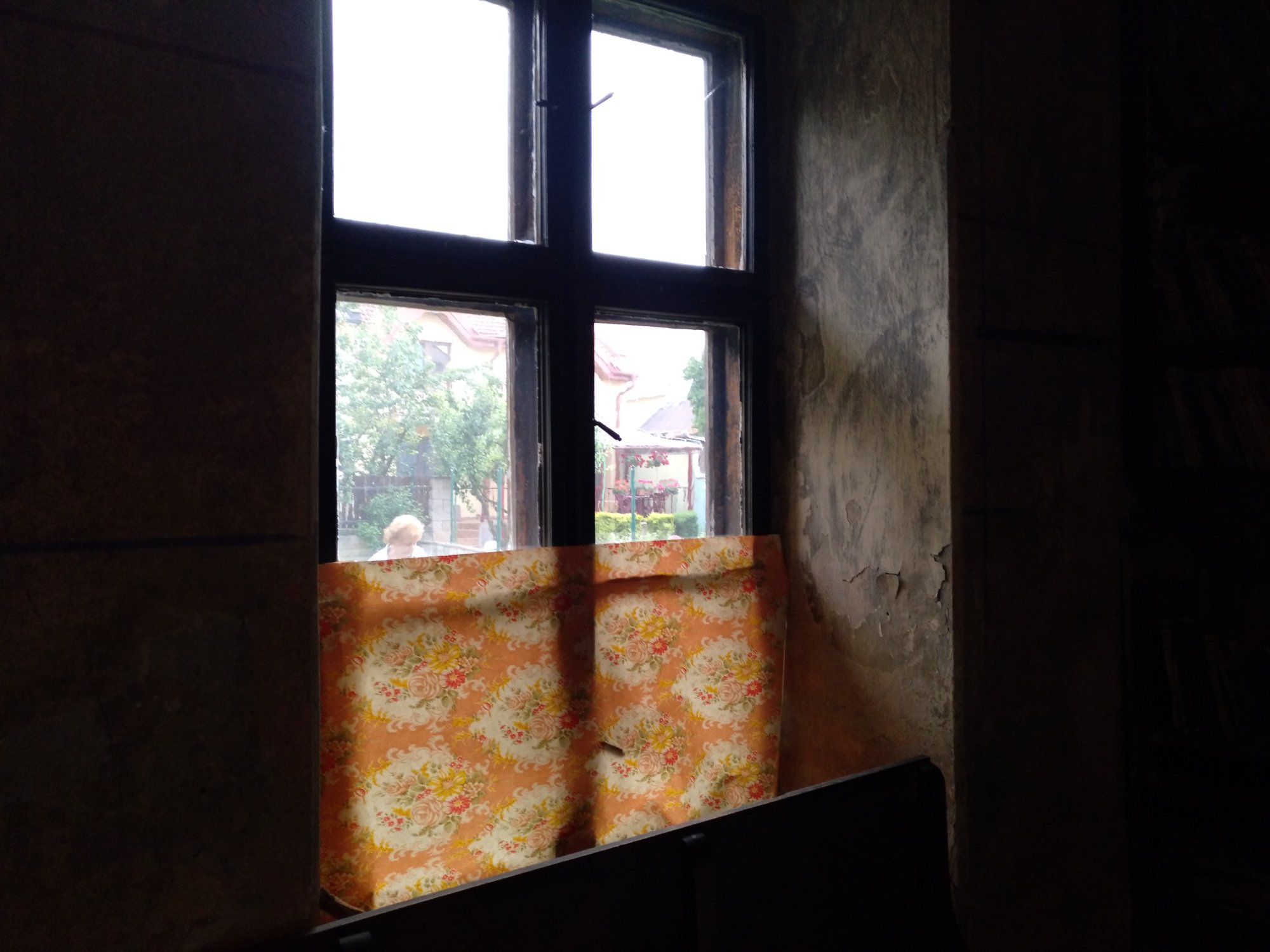
A short stroll around the block, where the back side of the building can be glimpsed demonstrates that authentical preservation does not necessarily mean that the synagogue actually is preserved, I.e. in good condition. A sad sight it is, with broken windows, holes in the grimy walls and deterioration everywhere.
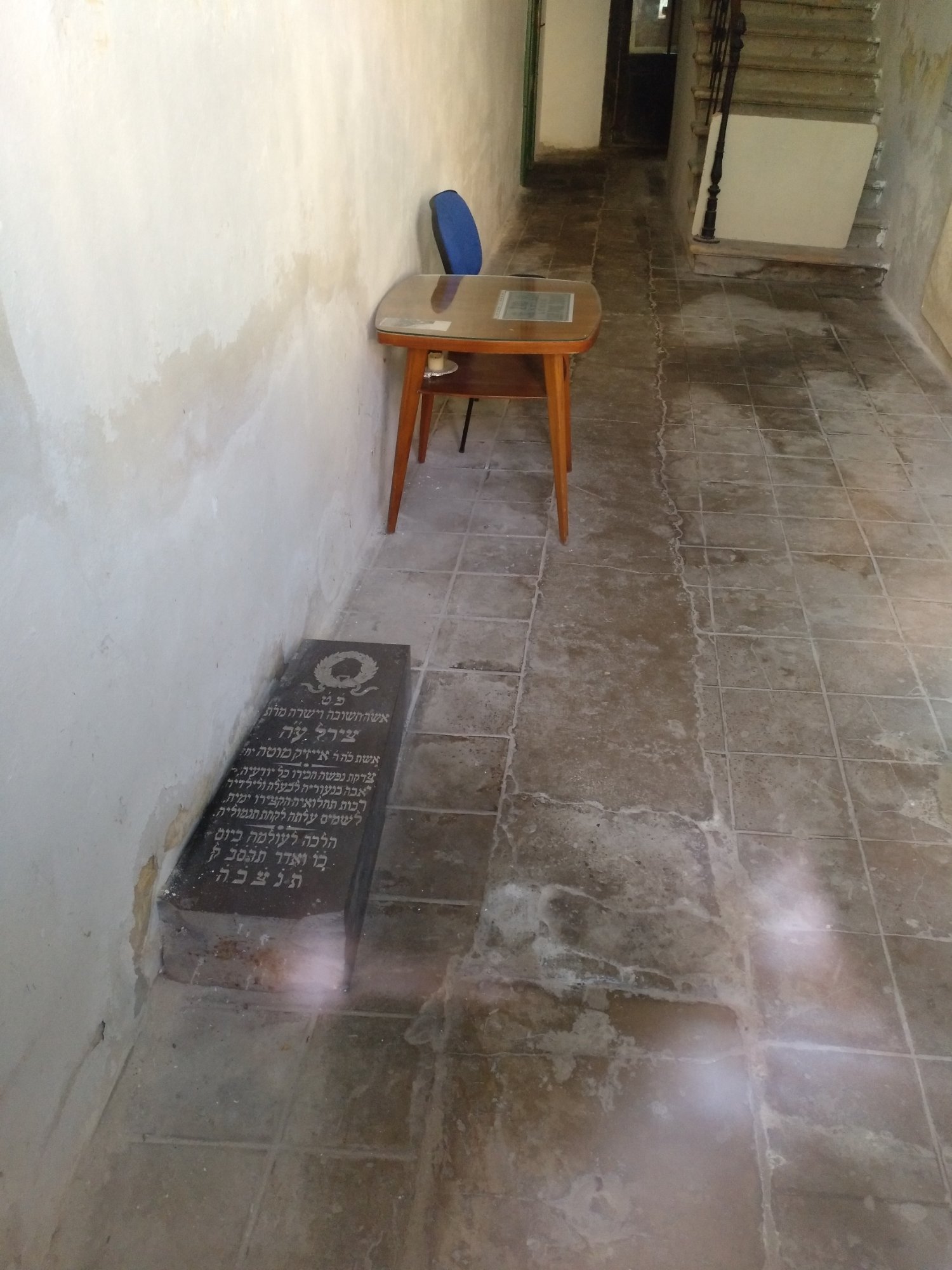
The Man Who Cares
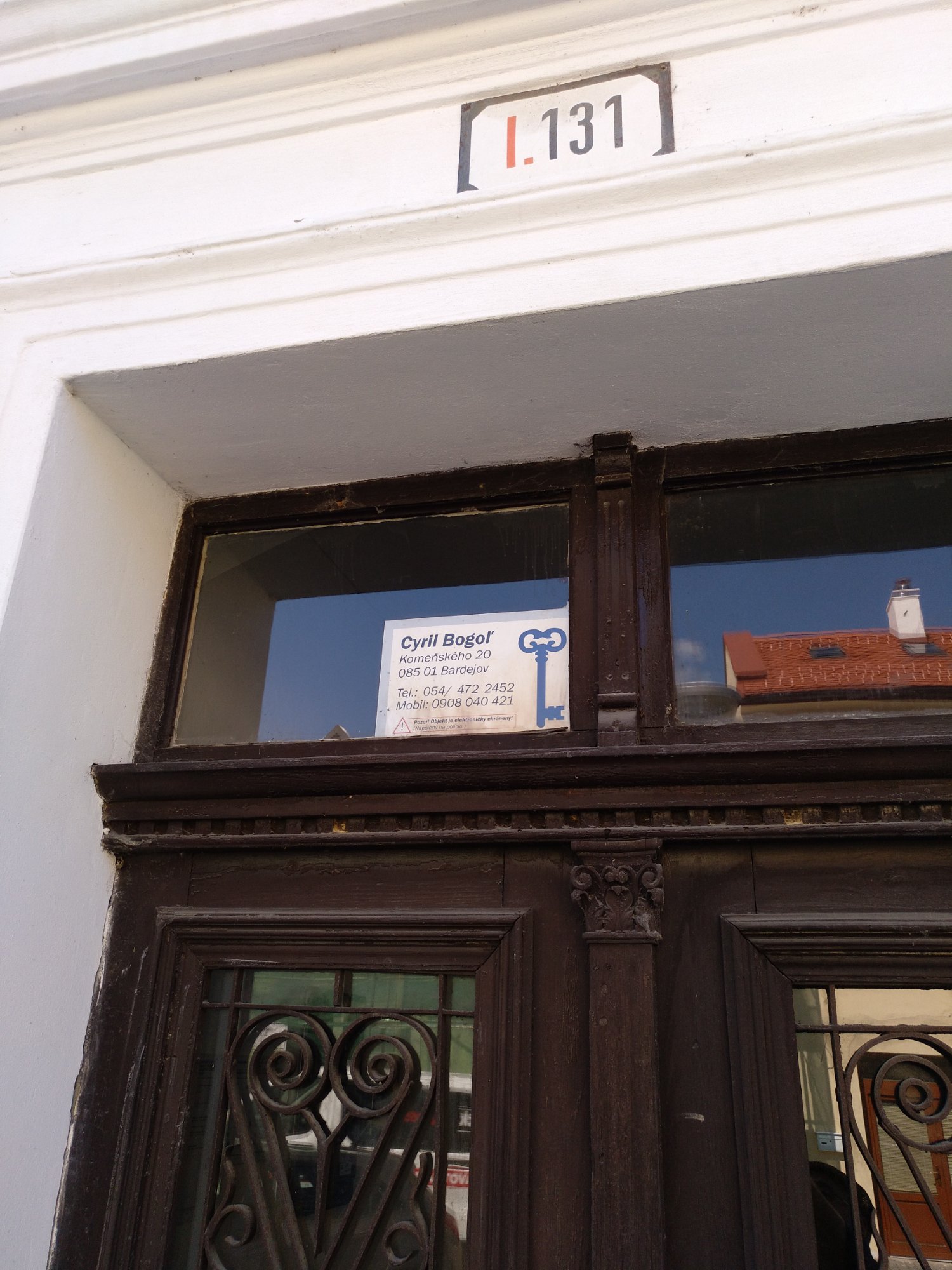
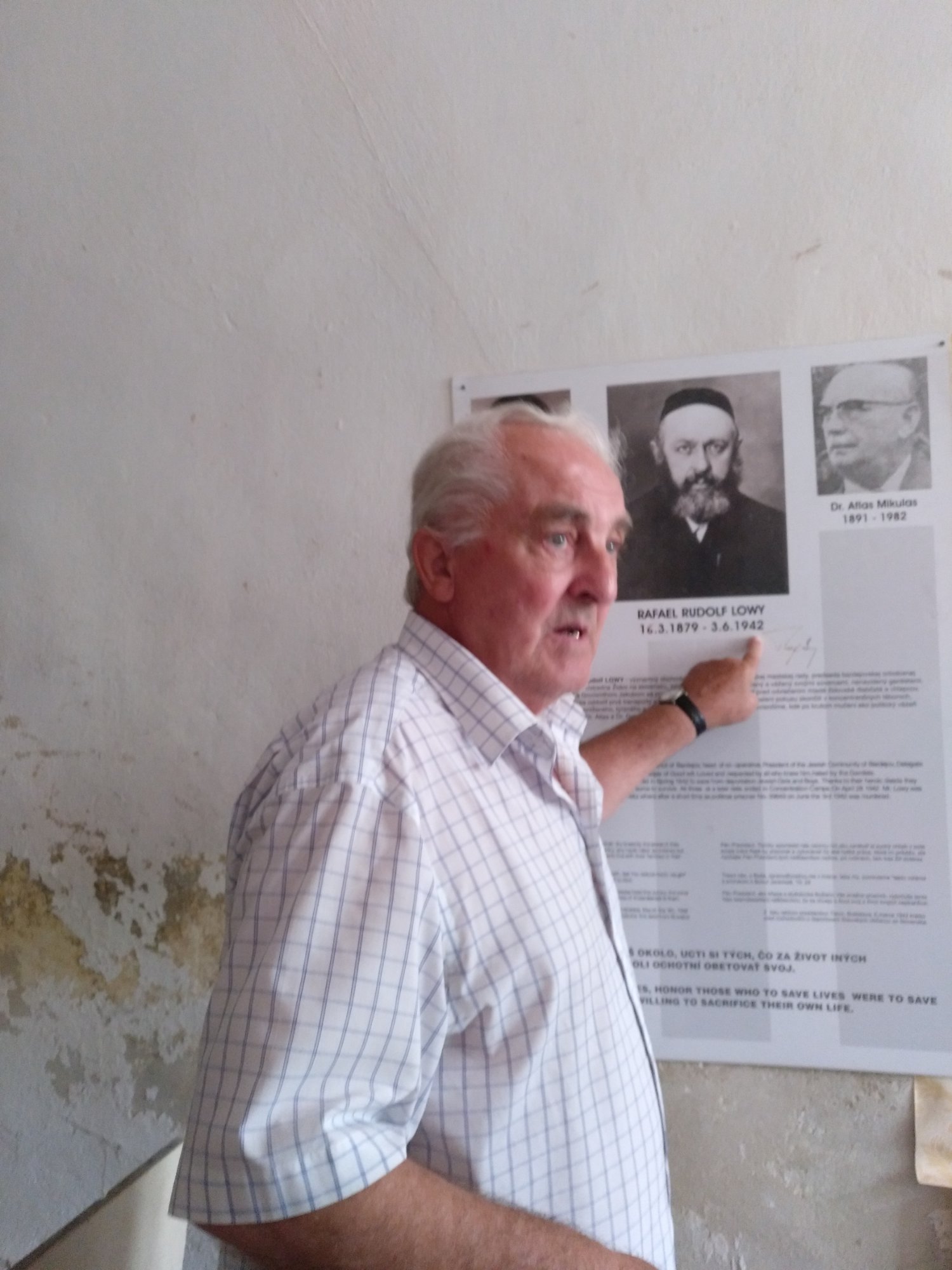
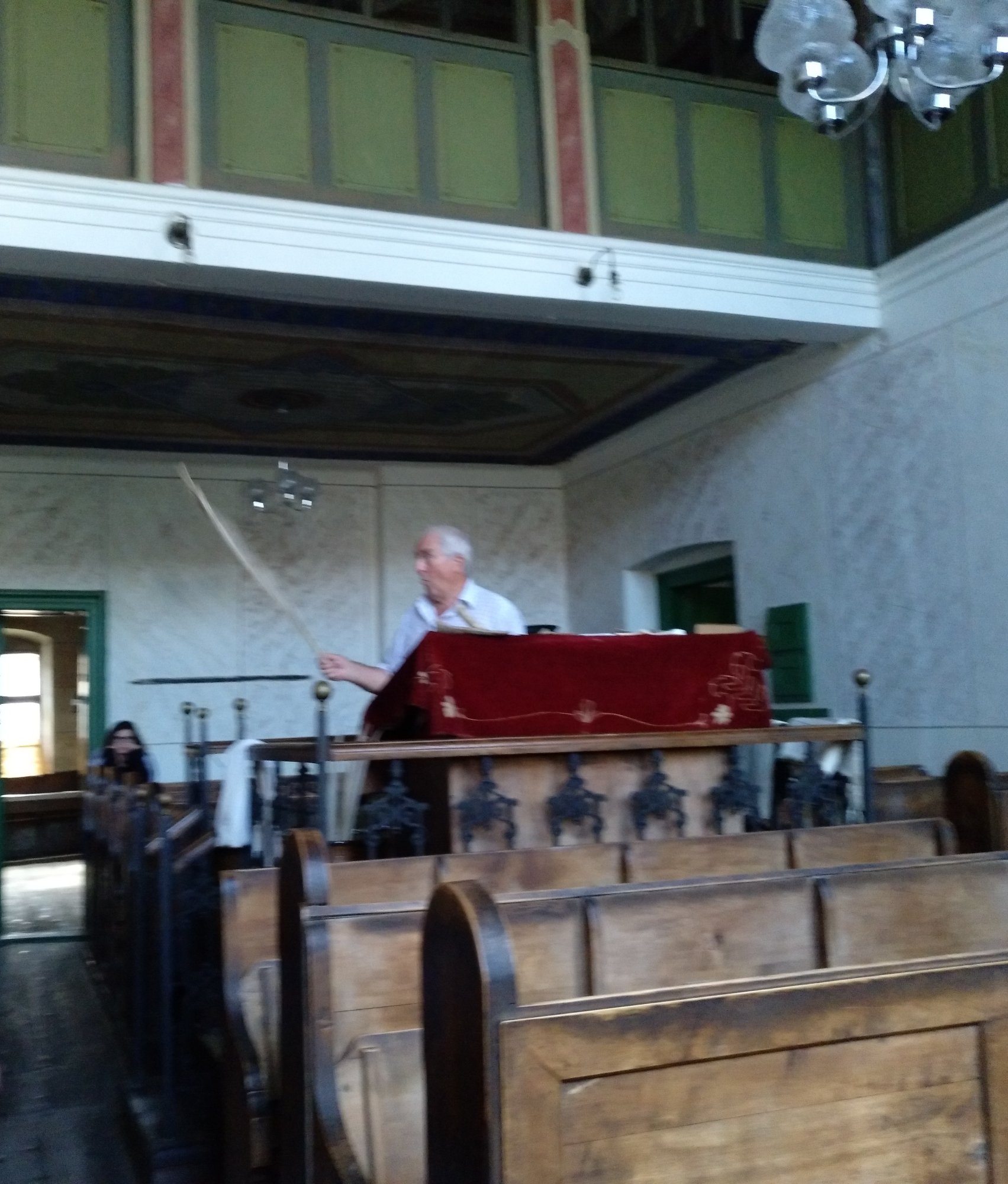
We call the number given on the sign in the door and meet Cyril, a 78 year old local who holds the key to the synagogue. This man, actually a protestant Christian, invests all his time and all his money in the upkeep of the place. When we asked who was paying for electricity he appeared somewhat embarrassed.
Turns out, it’s him.
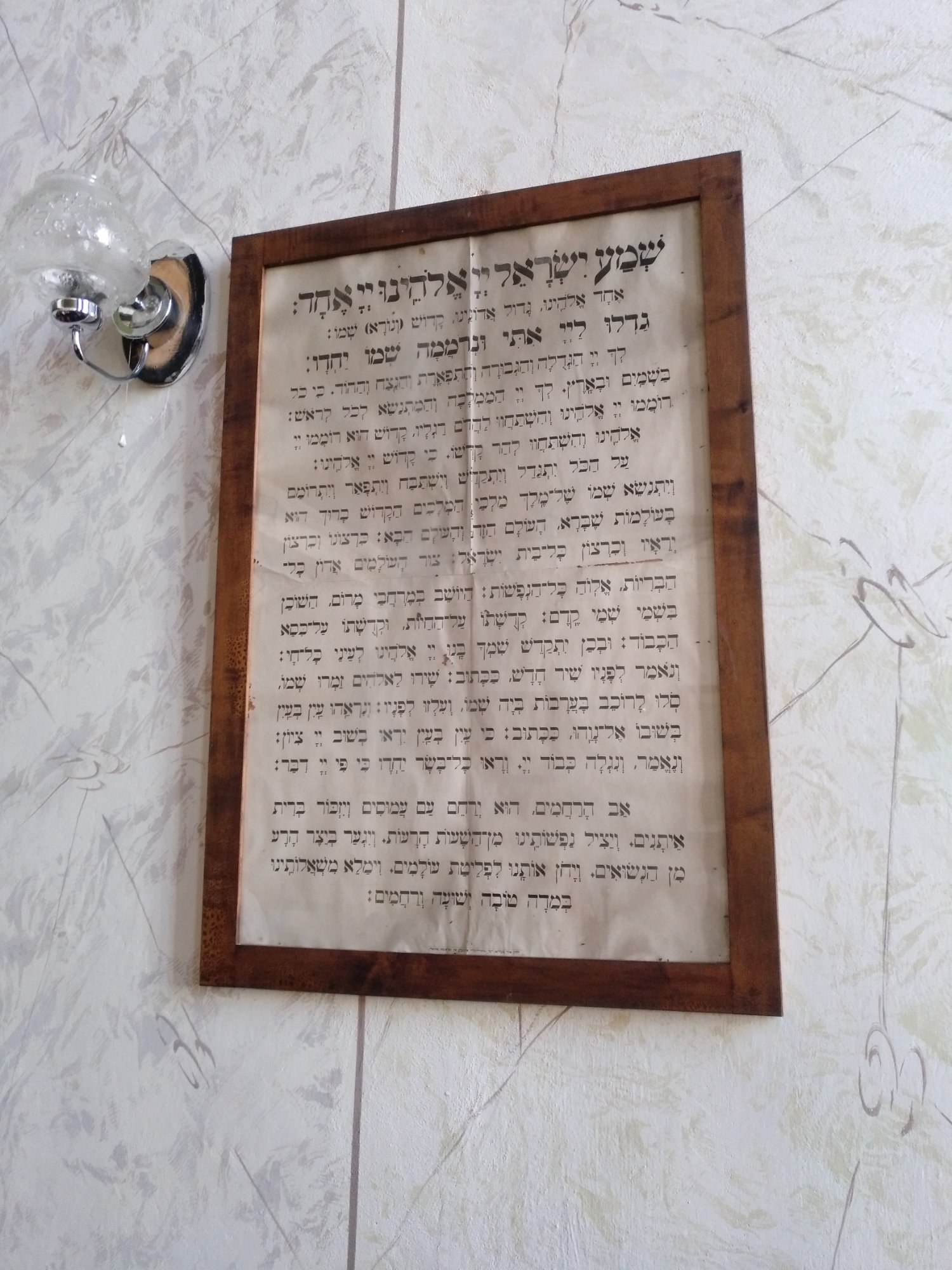
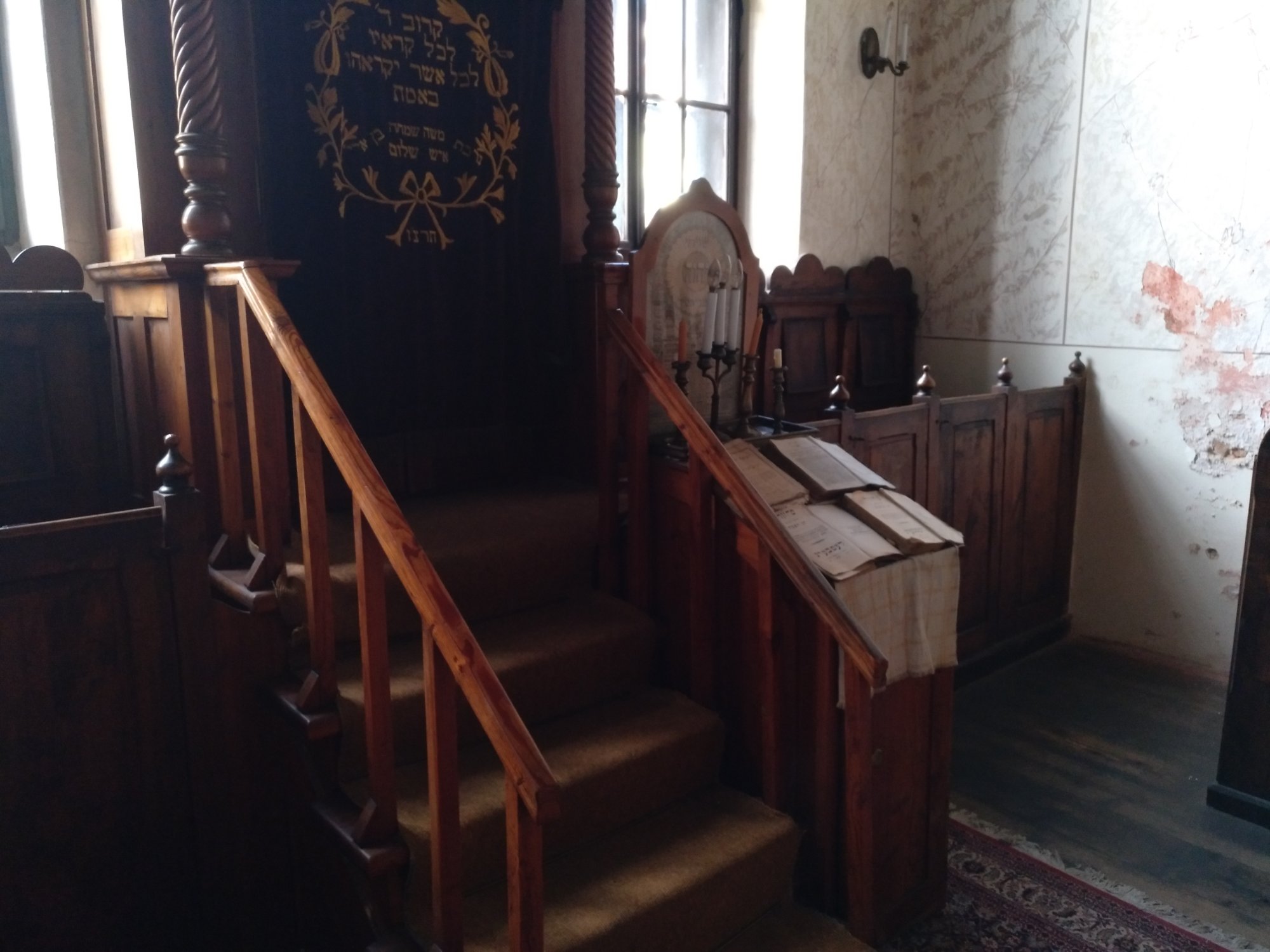
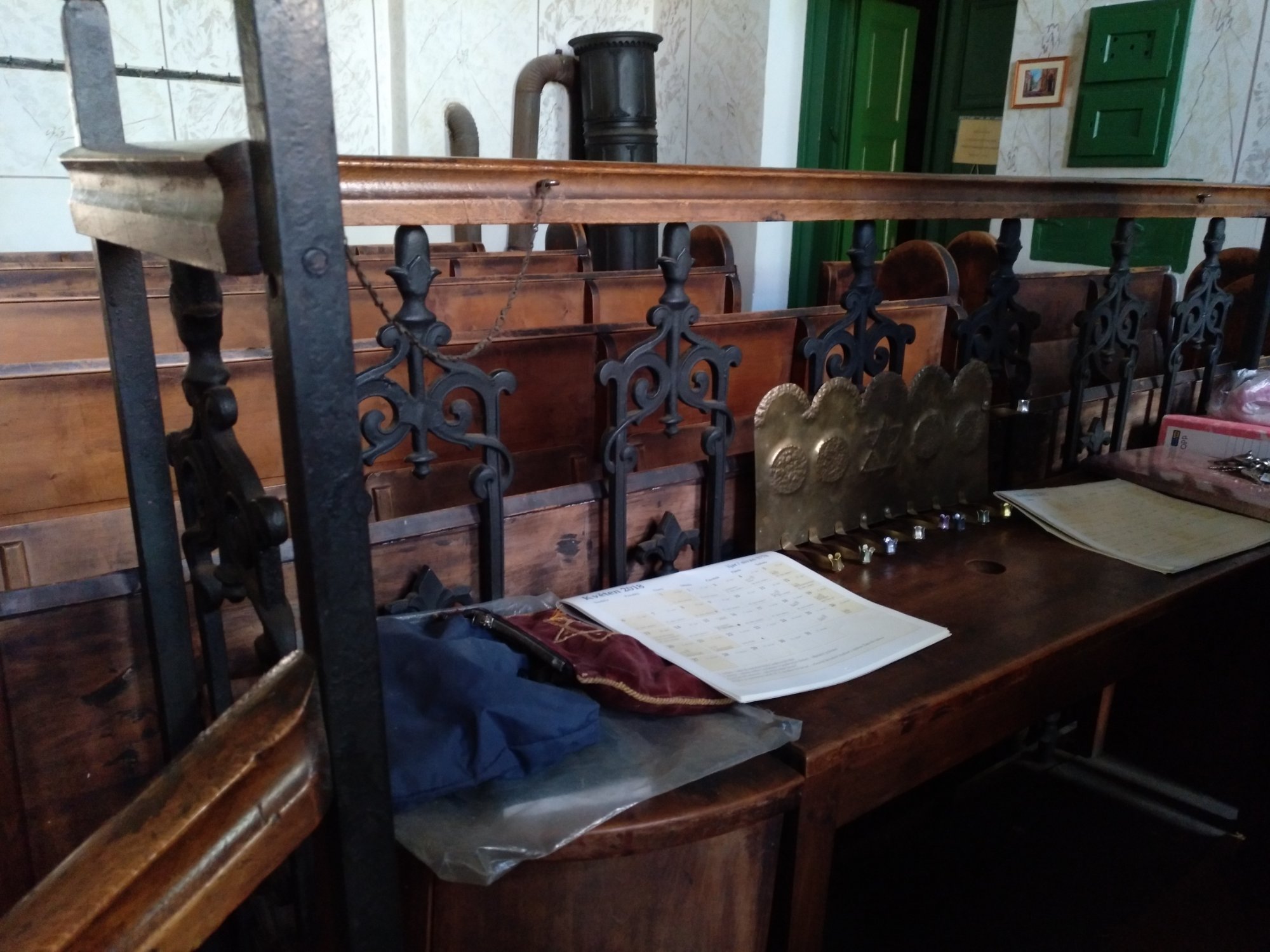
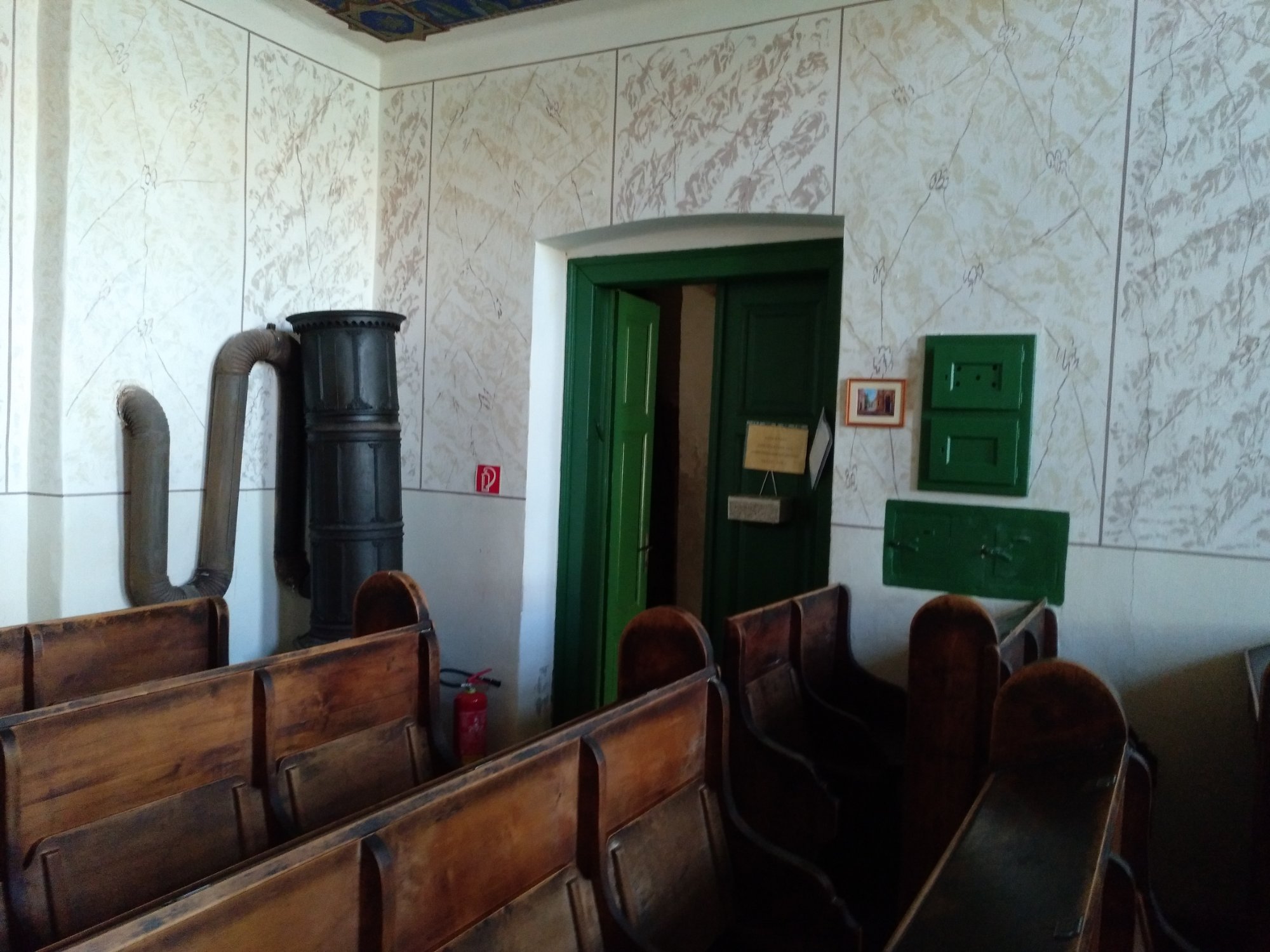
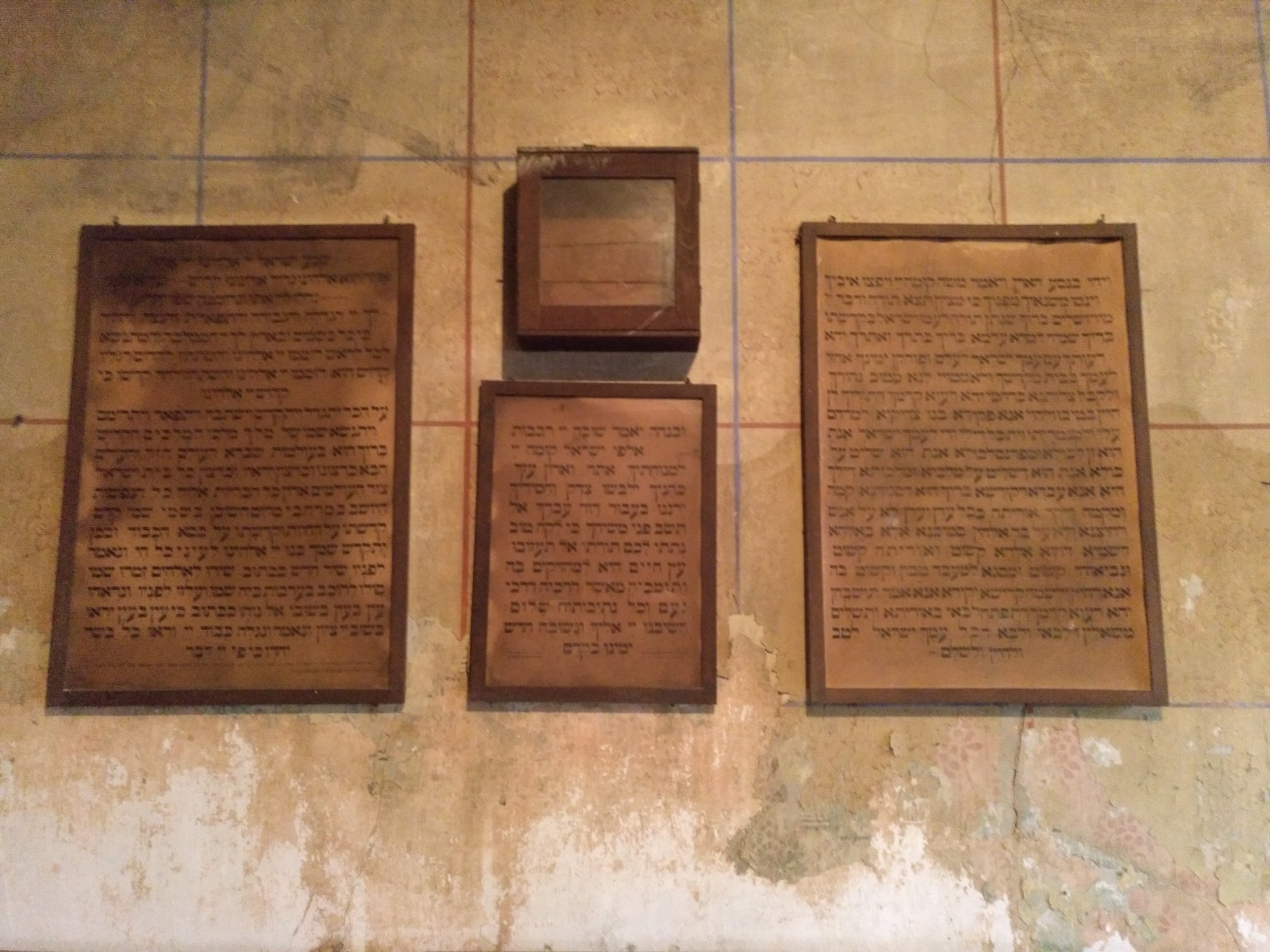
Then he launched into an hour-long lecture on all the items you might find in this shul: from א (as in Aron Kojdesh) to ת (as in ner tamid).
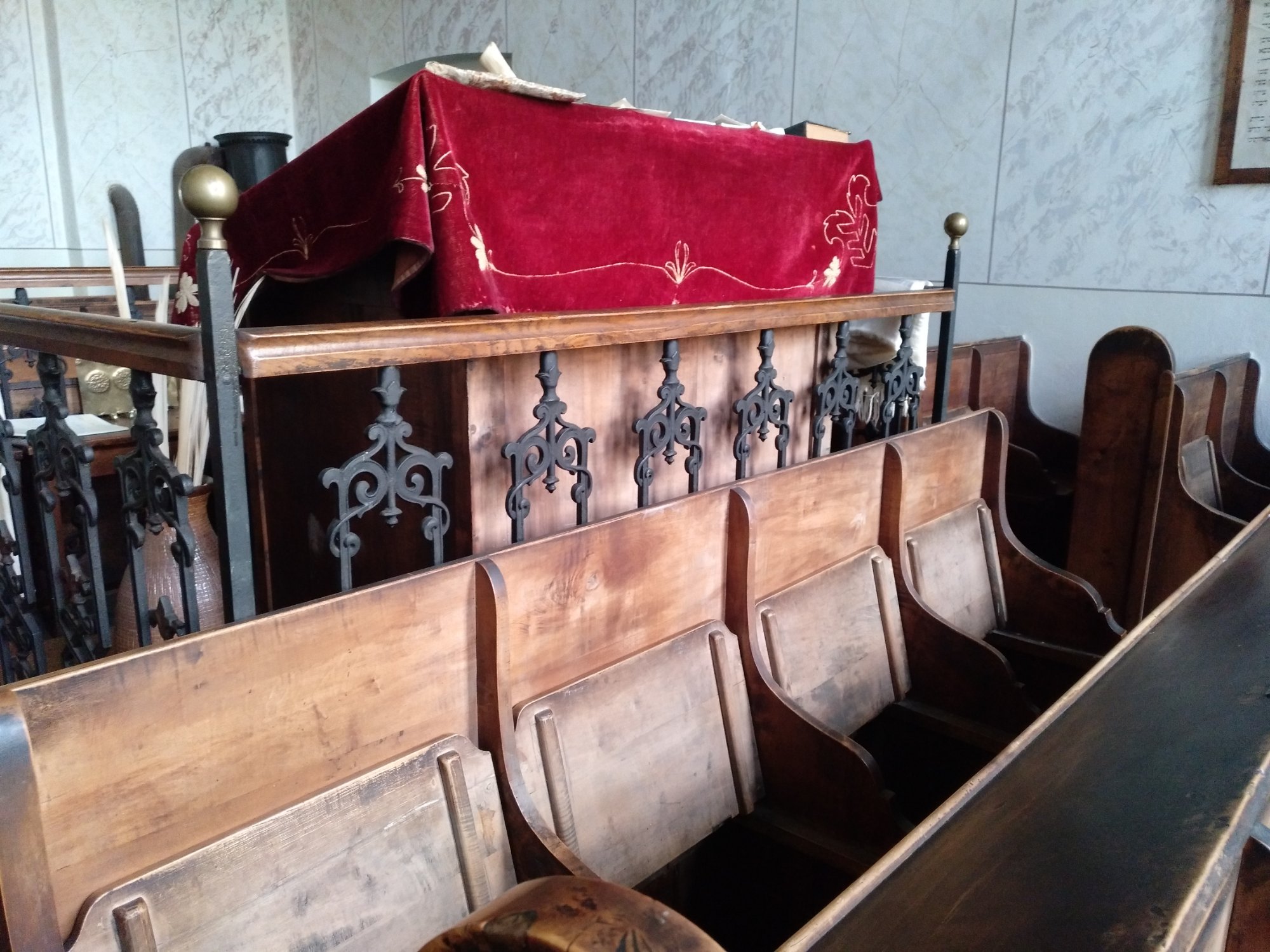
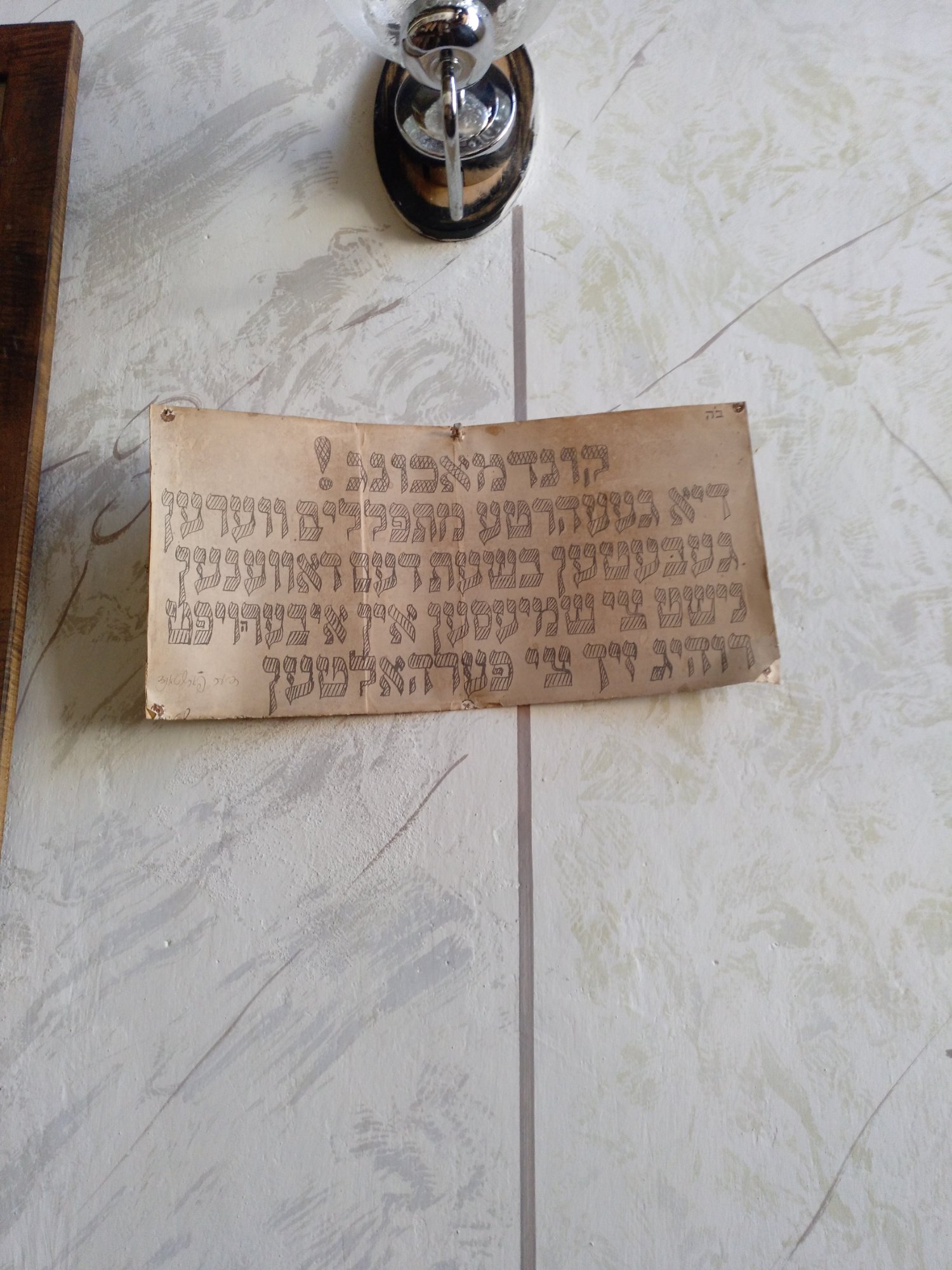
Now it becomes clear what authentically preserved really means.
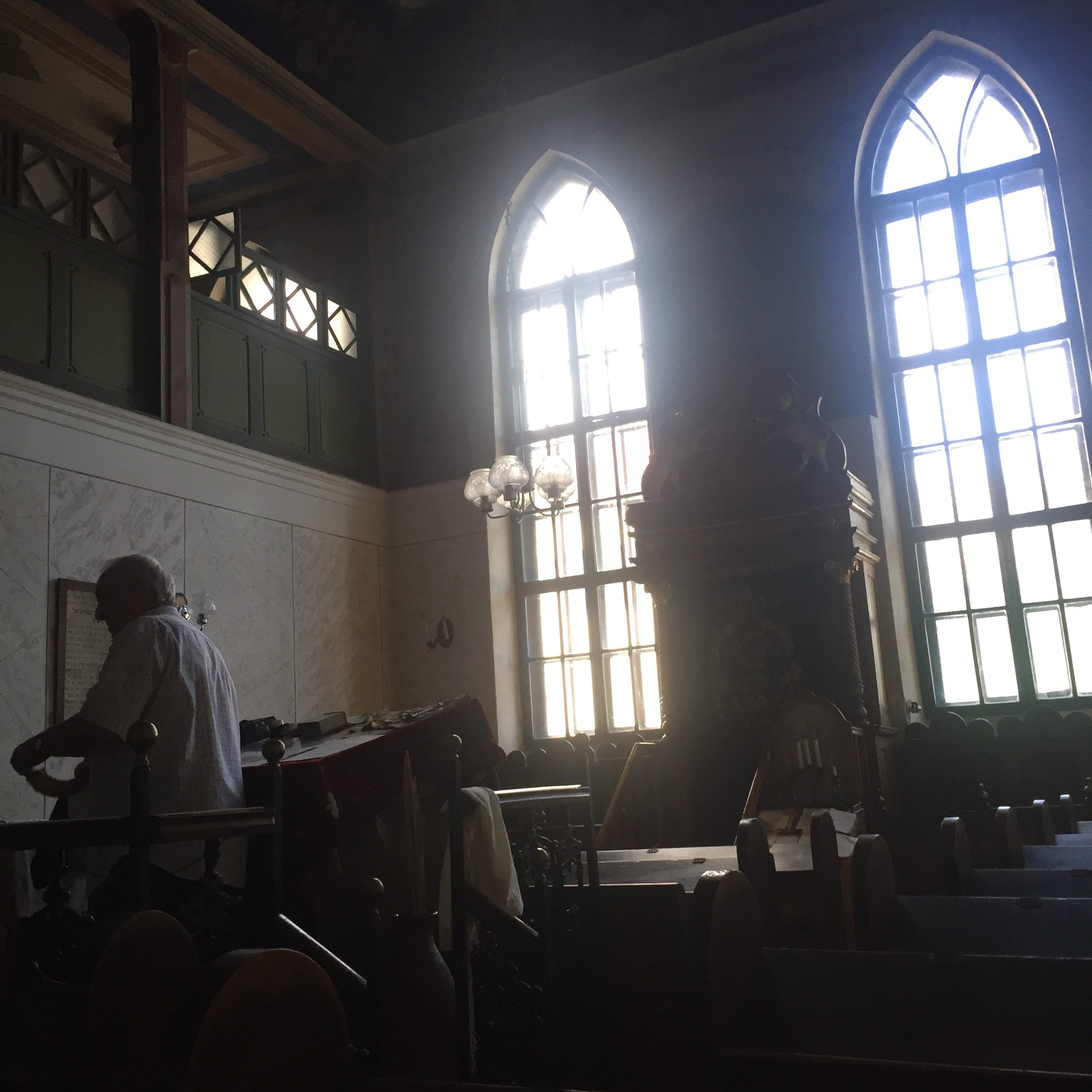
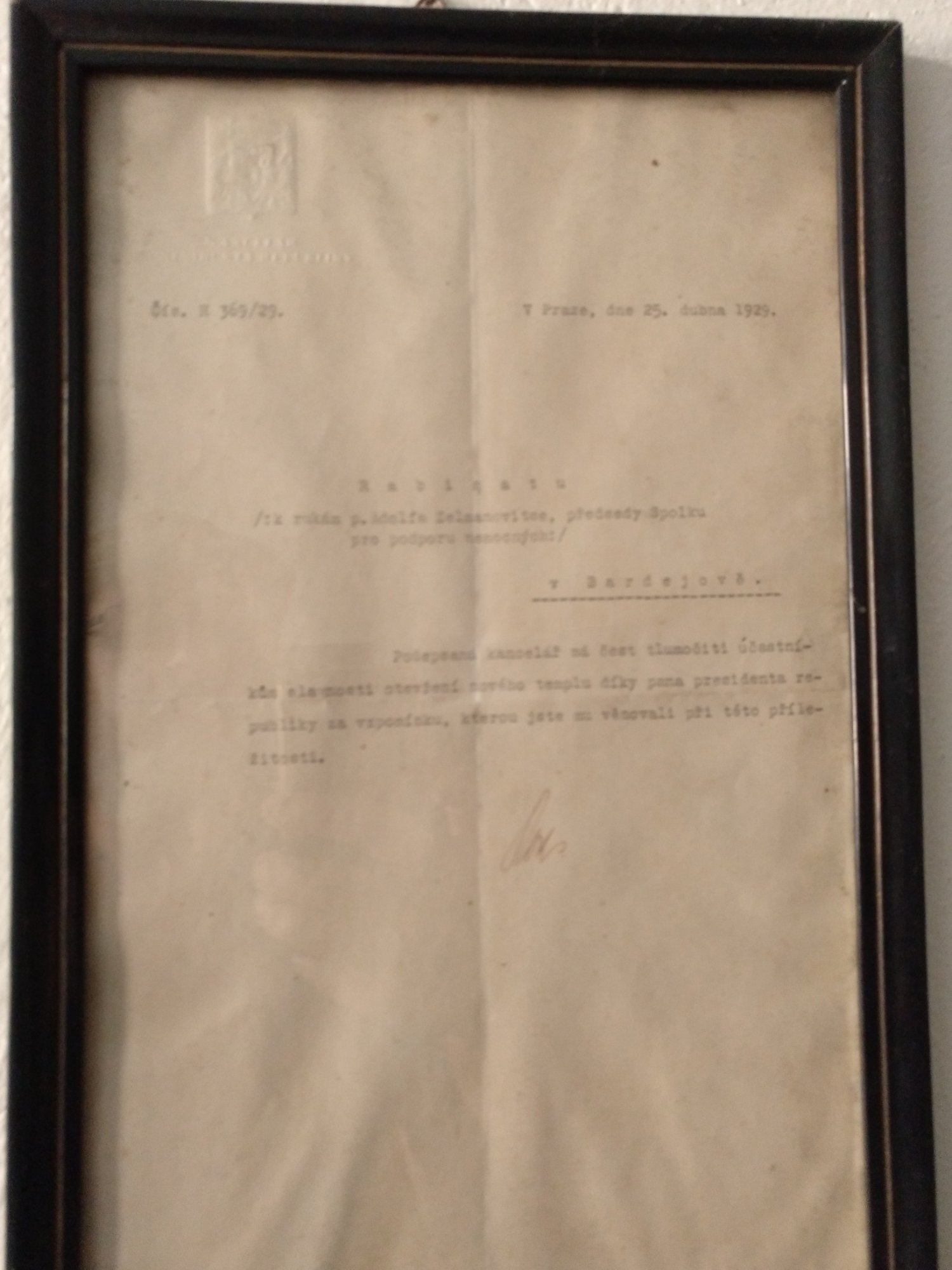
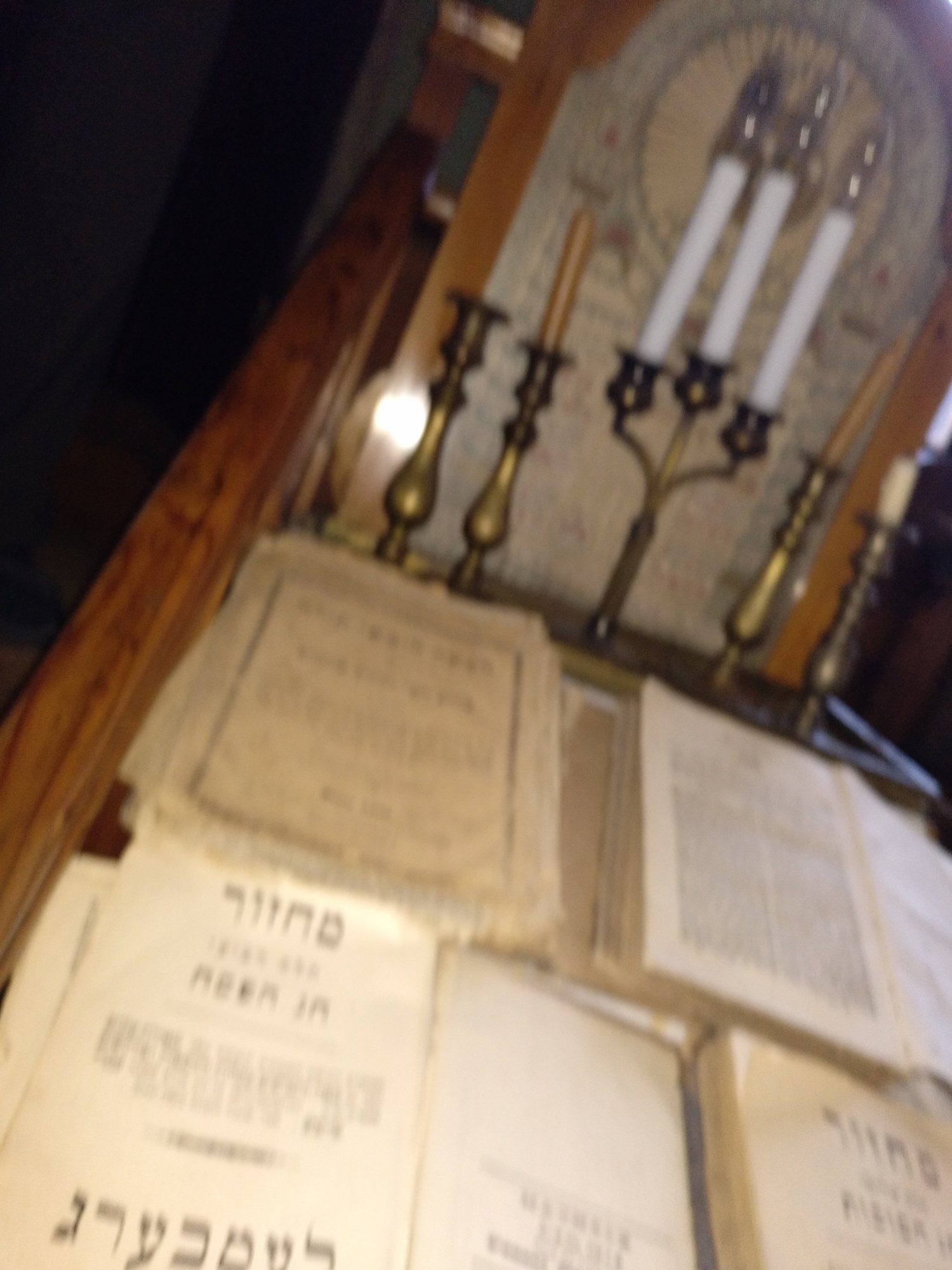
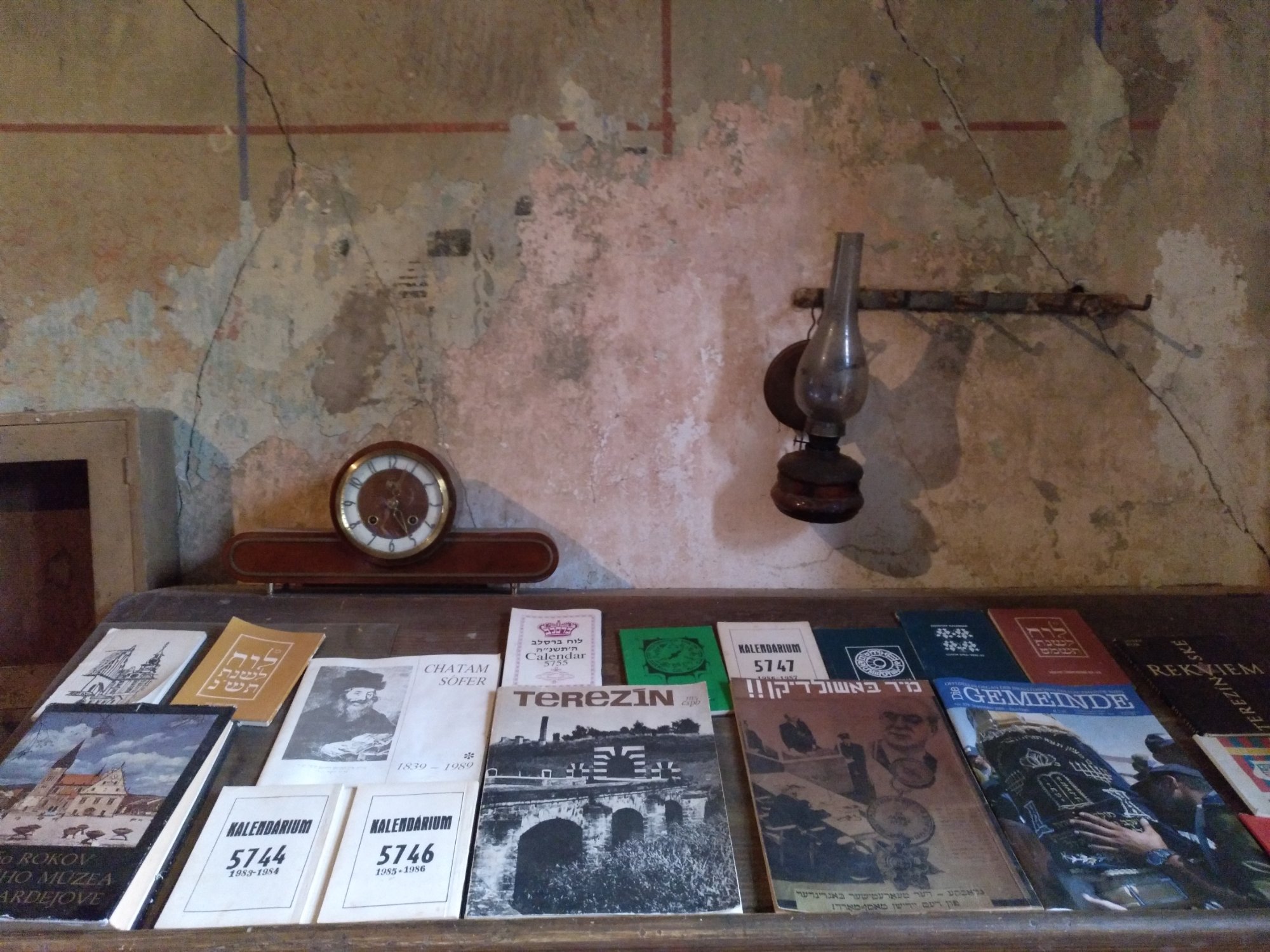
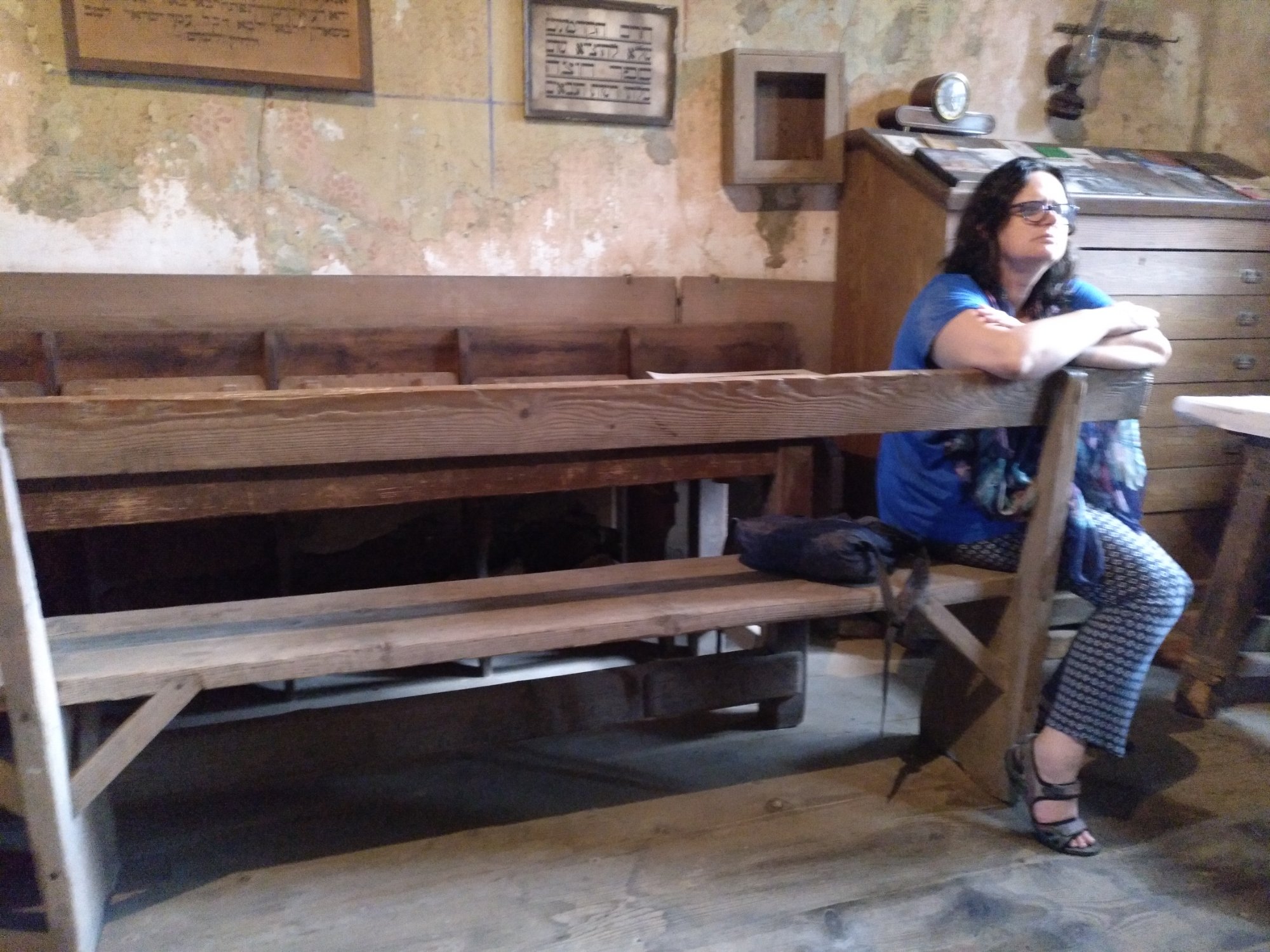
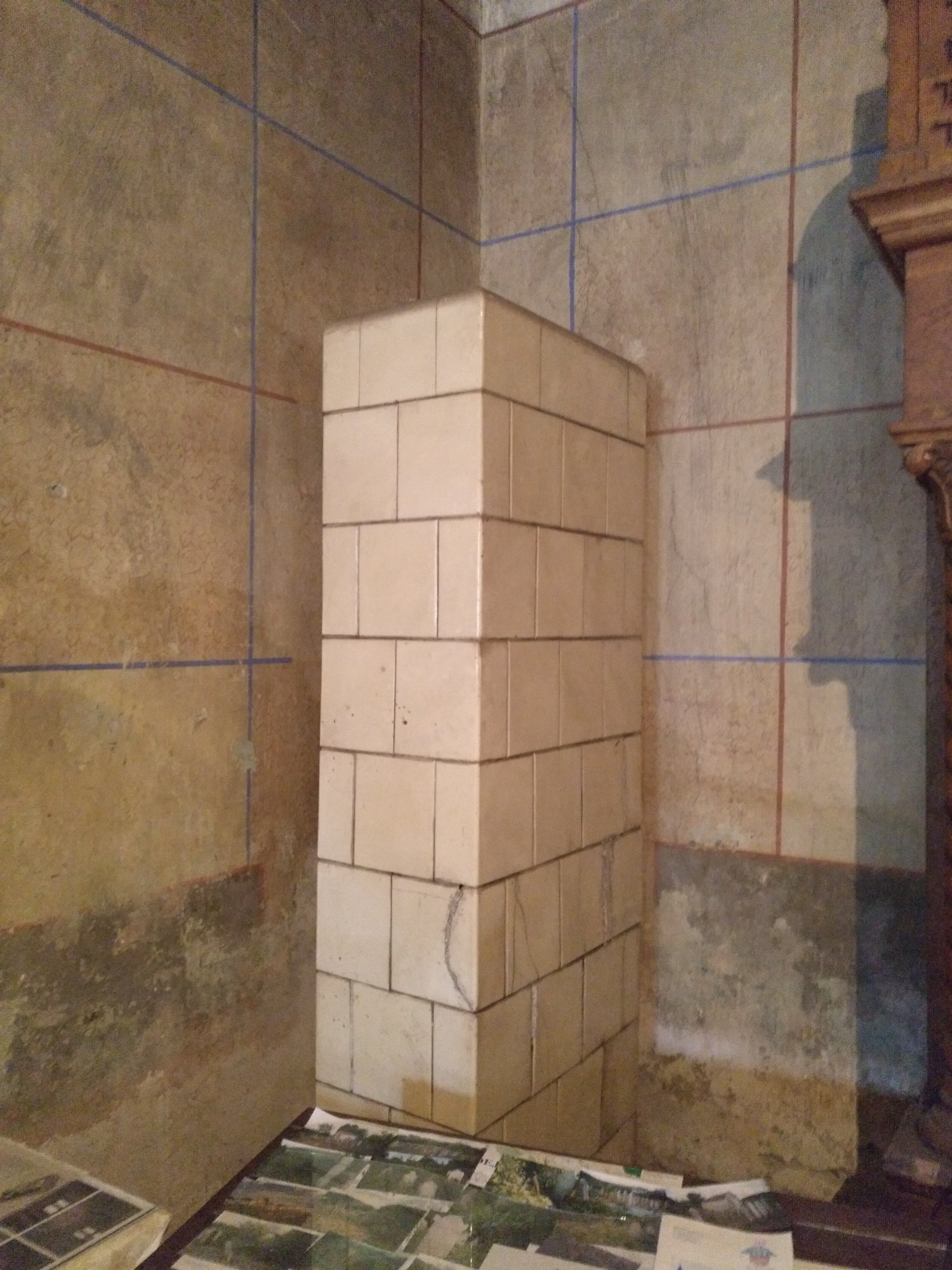
Time hasn’t stopped in this Shul, but the furniture, the carpets, most of the objects have remained exactly as they were, 80 years ago.
The Bejss Medresh
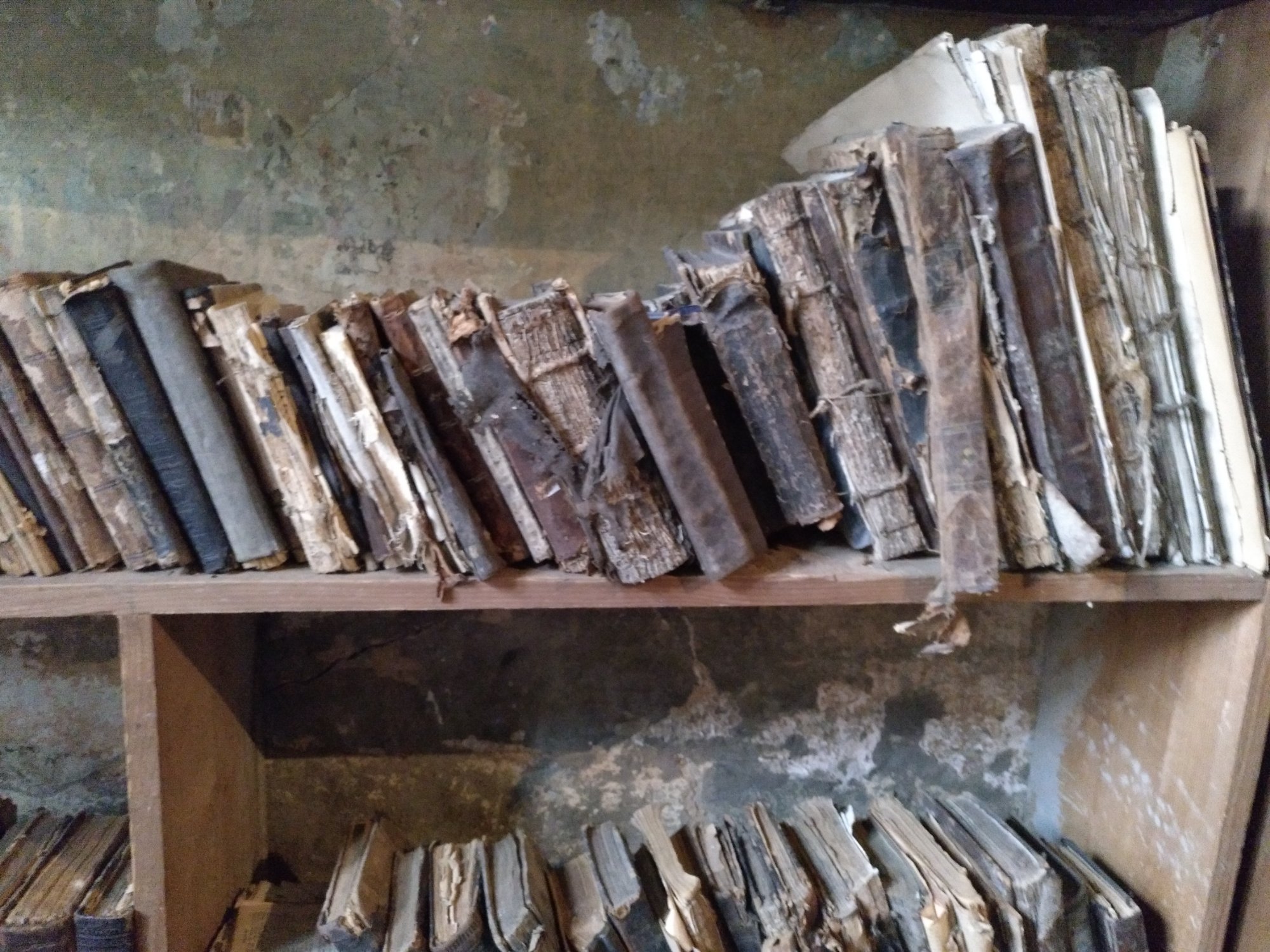
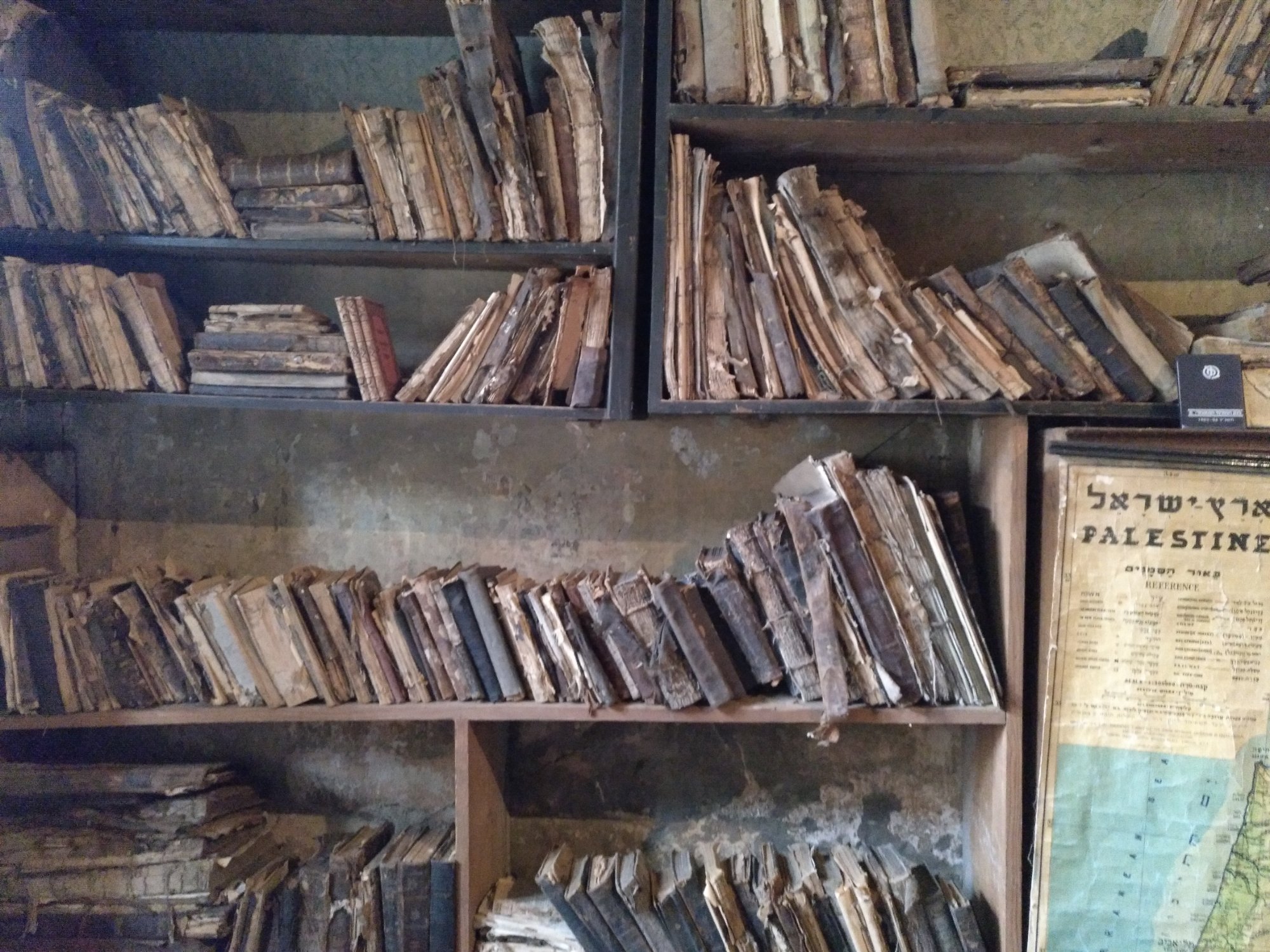
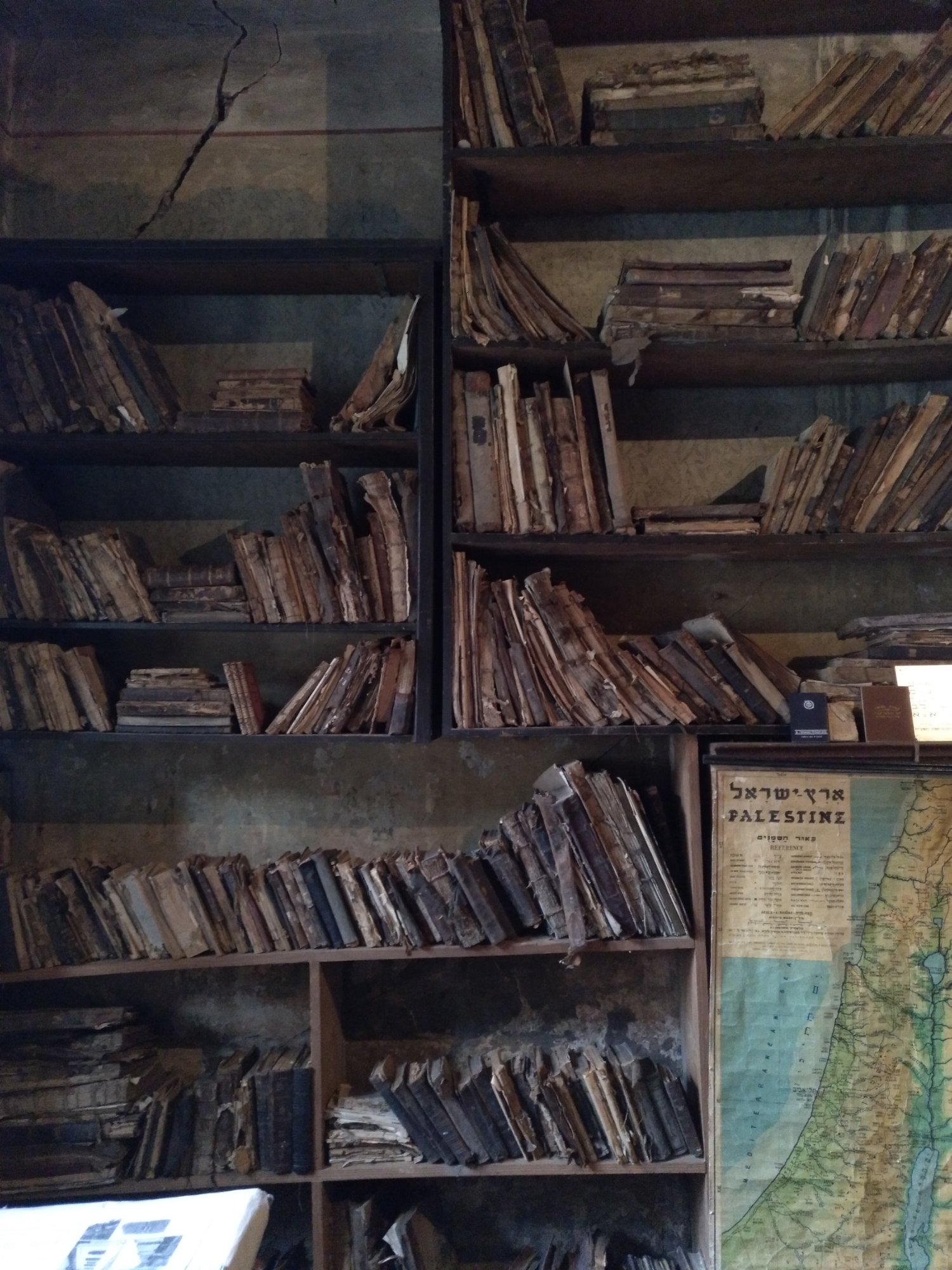
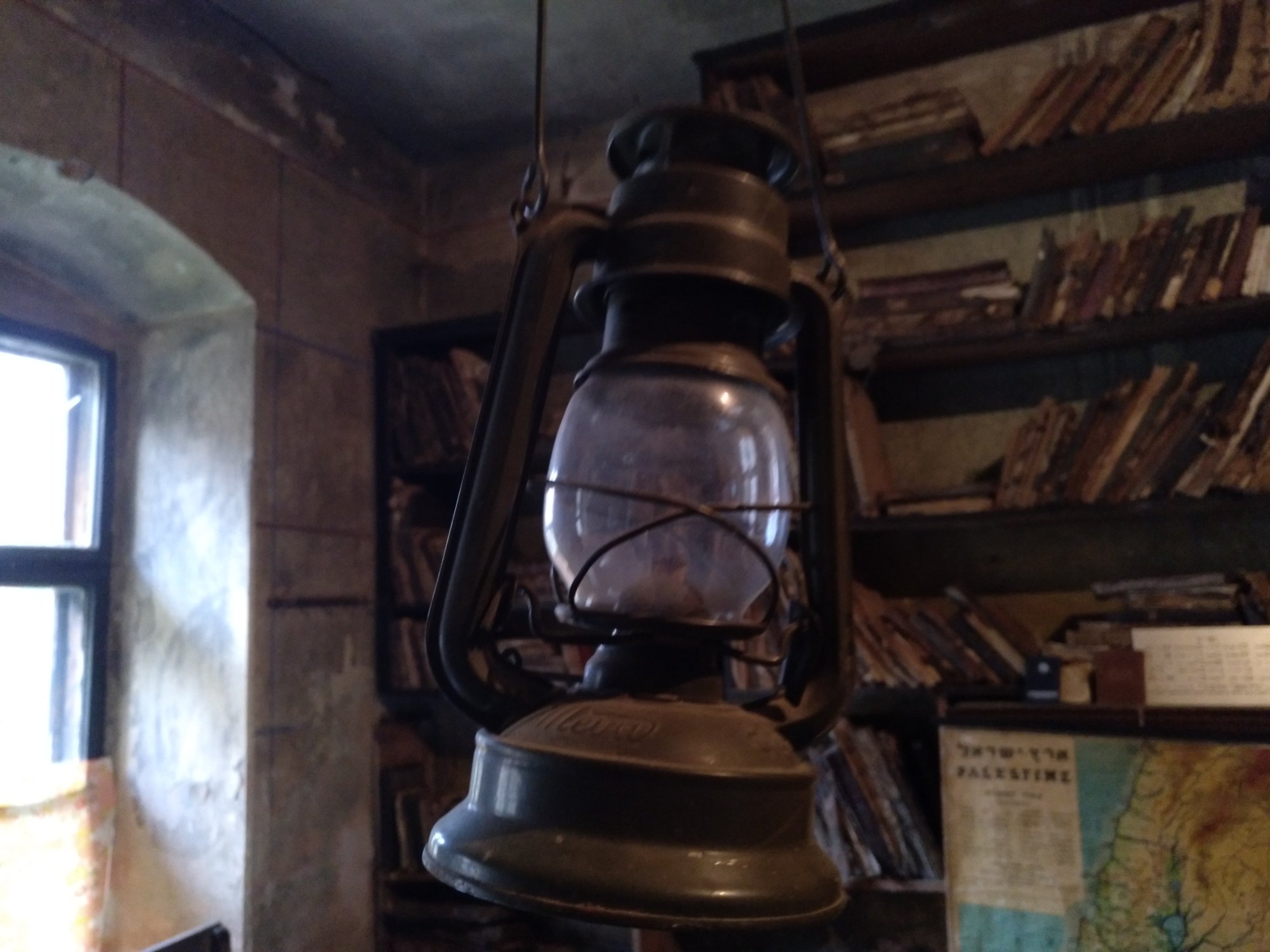
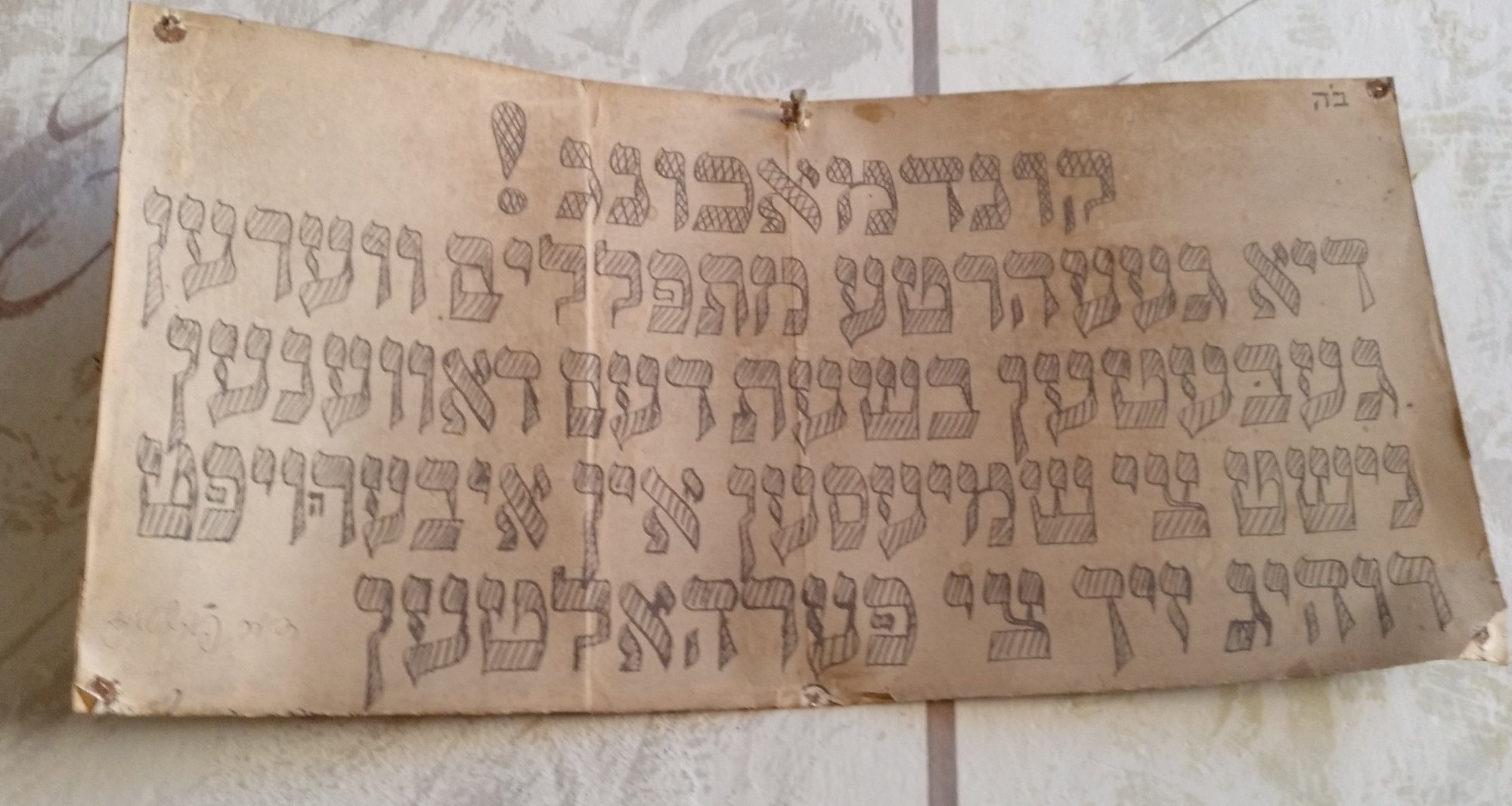
The room adjoining the Shul to the west is the classic Bejss Medresh, a study hall. It, too, remains largely untouched: long tables, shelves with tomes upon tomes. Petroleum lamps hang from the ceiling.
The Synagogue Building in Malacky, Slovakia
For some historical background, see https://www.jewishgen.org/Yizkor/pinkas_slovakia/Slo331.html